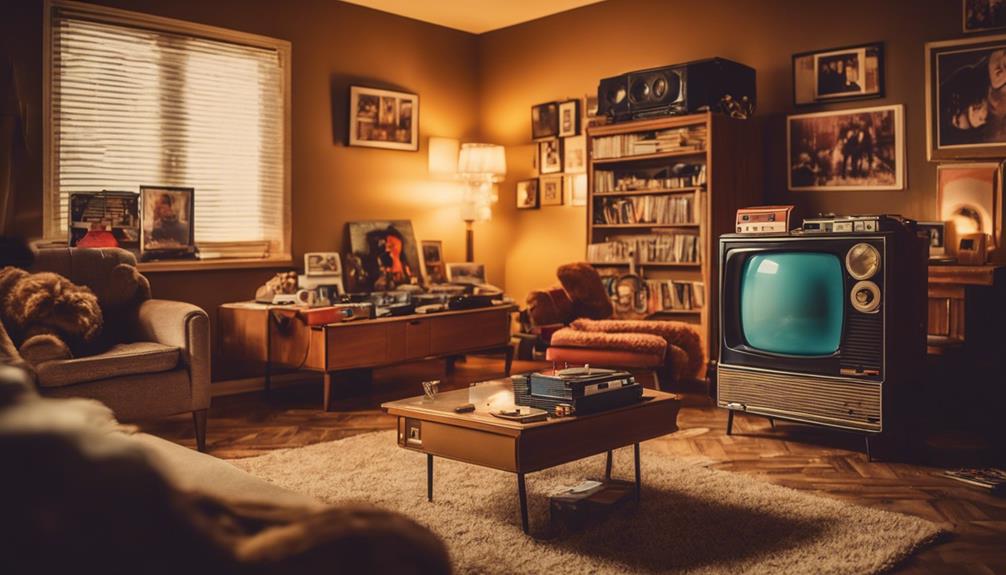
As I scroll through social media, I'm struck by how often I'm hit with waves of nostalgia, from retro-themed ads to revamped brand logos, and it's clear that marketers have caught on to the profound power of nostalgia to evoke emotions, drive loyalty, and boost sales. Nostalgia taps into our fond memories, making us feel warm, comforted, and connected to a brand. By reviving retro logos, products, and campaigns, brands can create an emotional connection that transforms customers into loyal advocates. It's amazing how effectively nostalgia can be harnessed – and I'm excited to explore its many implications further.
Nostalgia's Emotional Connection
As I reminisce about my childhood, I'm struck by how nostalgia's emotional connection can transport me back to a bygone era, evoking feelings of warmth and comfort that are hard to replicate in the present. It's as if I'm reliving cherished memories, rekindling the joy and simplicity of a bygone time. This emotional resonance is what makes nostalgia such a powerful tool in marketing. By tapping into our collective nostalgia, brands can create a sense of familiarity and trust, making us more receptive to their message.
The psychological impact of nostalgia is profound. It has the power to evoke feelings of happiness, relaxation, and even a sense of belonging. When we're nostalgic, we're reminded of a time when life was simpler, and our cares were fewer. This emotional connection can be incredibly persuasive, making us more likely to engage with a brand that speaks to our nostalgic sensibilities. Marketers understand this, which is why they often use nostalgic cues – think vintage packaging, retro advertising, or classic branding – to create an emotional connection with their audience.
As I reflect on my own experiences, I realize that nostalgia's emotional connection is rooted in the memories we've created over time. It's the smell of freshly baked cookies, the sound of a favorite childhood song, or the feel of a well-worn blanket. These sensory triggers evoke powerful emotions, transporting us back to a time when life was more carefree. By tapping into these emotional connections, brands can create a lasting impact, fostering loyalty and driving engagement.
Reviving Retro Logos and Brands
I've noticed that many brands are reviving retro logos and brands, bringing back the nostalgia and emotional connections that made them beloved in the first place. It's amazing to see how a simple logo redesign can transport us back to a bygone era, evoking feelings of warmth and comfort. This revival of retro design is not just a fleeting trend; it's a deliberate marketing strategy that taps into our collective nostalgia.
By embracing vintage appeal, brands can reconnect with their heritage and rekindle the affection of their loyal customers. Take, for instance, the recent revamp of the Coca-Cola logo, which incorporated elements from the 1940s and 1950s. The updated design not only pays homage to the brand's rich history but also resonates with consumers who have fond memories of sipping Coke on a hot summer day.
The beauty of reviving retro logos and brands lies in their ability to transcend generations. Millennials, who are often drawn to vintage aesthetics, can now connect with brands that their parents or grandparents loved. Meanwhile, older consumers are reminded of happy memories, making them more likely to engage with the brand once again. As a marketer, it's thrilling to see how a well-executed retro design can breathe new life into a brand, making it feel both nostalgic and modern at the same time.
The Science Behind Nostalgic Marketing
Here's my take on the science behind nostalgic marketing.
My curiosity about the psychology driving nostalgic marketing led me to explore the underlying science behind this phenomenon. As I investigated further, I discovered that nostalgic marketing taps into our neurological responses, triggering a rush of emotions that can be incredibly powerful. When we're exposed to nostalgic cues, our brains release dopamine, a neurotransmitter associated with pleasure and reward. This emotional response creates a strong connection between the brand and the consumer, making us more likely to engage with the brand and ultimately, make a purchase.
The psychological impact of nostalgic marketing is significant. It allows brands to tap into our sense of nostalgia, creating a sense of comfort and familiarity. This, in turn, influences consumer behavior, driving loyalty and advocacy. When we're reminded of happy memories, we're more likely to associate those feelings with the brand, leading to increased brand affinity and loyalty. Nostalgic marketing also creates a sense of social connection, allowing consumers to bond over shared experiences and memories. By leveraging these emotional triggers, brands can create a lasting impression on their audience, driving long-term growth and success. By understanding the science behind nostalgic marketing, brands can craft more effective campaigns that resonate with their target audience on a deeper level.
Tapping Into Childhood Memories
As I reflect on the impact of nostalgia in marketing, I realize that tapping into childhood memories is a powerful strategy that can evoke strong emotions and brand loyalty. I've noticed that many brands are effectively leveraging retro branding revival, timeless advertising tactics, and memories as marketing tools to connect with their target audience. By exploring these points, I hope to uncover the secrets behind their success and how they're able to tap into our collective nostalgia.
Retro Branding Revival
Here's the output:
Childhood memories of sipping on a cold glass of Surge soda or munching on a bag of Dunkaroos evoke a strong sense of nostalgia, and brands are capitalizing on this sentiment by reviving retro products and branding. I'm not alone in my nostalgia; many of us are craving the comfort and simplicity of our childhood. Brands are tapping into this desire, bringing back vintage fashion trends, like high-waisted jeans and oversized graphic tees, and classic packaging, like the iconic Coca-Cola bottle or the retro-themed Oreo cookies. It's not just about re-releasing old products, though – it's about recreating the emotional connection we had with these brands as kids. When I see a revamped version of a childhood favorite, I'm instantly transported back to a carefree time, surrounded by friends and family. It's a powerful emotional trigger, and brands are using it to build brand loyalty and drive sales. By reviving retro branding, companies can tap into our collective nostalgia, making us feel seen, heard, and understood.
Timeless Advertising Tactics
Tapping into childhood memories, advertisers are resurrecting timeless tactics that evoke a deep sense of nostalgia, making me wonder if the commercials I loved as a kid still hold up today. As I revisit these classic ads, I'm struck by how they've managed to create an emotional connection with me even decades later. It's clear that these advertisers understood the power of nostalgia in consumer psychology, using it to forge a lasting bond between their brand and their audience.
Memories as Marketing
More than three decades later, I still vividly recall the joy of waking up early on Saturday mornings to watch cartoons, and the iconic commercials that aired during those hours, which have become an integral part of my childhood memories. Those nostalgic ads evoke a sense of warmth and happiness, transporting me back to a carefree era. As a marketer, I've come to realize that tapping into these childhood memories can be a powerful tool to create emotional connections with consumers. By leveraging psychological triggers such as nostalgia, brands can influence consumer behavior and drive sales. It's no wonder why many companies are incorporating retro elements into their marketing strategies, from reviving classic logos to re-releasing beloved products. By tapping into our collective nostalgia, brands can create a sense of familiarity and comfort, ultimately driving customer loyalty and advocacy. By understanding the emotional connections we form with brands, marketers can craft strategies that resonate with consumers on a deeper level, ultimately driving business success.
Nostalgic Storytelling in Ads
I've found that nostalgic storytelling in ads often resonates with me on a deeper level, transporting me back to a bygone era and evoking a strong emotional response. It's as if I'm reliving fond memories, and the brand becomes an integral part of that experience. Emotional storytelling has a way of tapping into our subconscious, making us more receptive to the message being conveyed. According to consumer psychology, nostalgia triggers a sense of comfort and trust, which can lead to increased brand loyalty and affinity.
When done correctly, nostalgic storytelling in ads can be incredibly powerful. I've seen ads that seamlessly blend vintage aesthetics with modern appeal, creating a sense of timelessness that transcends generations. The key is to strike a balance between nostalgia and relevance, ensuring that the message remains contemporary and engaging. By doing so, brands can create an emotional connection with their audience, fostering a sense of belonging and shared experience.
As I reflect on my own experiences with nostalgic ads, I realize that they've stayed with me long after the initial viewing. They've become a part of my personal narrative, evoking feelings of nostalgia and warmth whenever I think about the brand. By leveraging the power of nostalgic storytelling, brands can create a lasting impact, one that resonates with consumers on a deeper, more emotional level.
Brands That Got It Right
As I look at the brands that have successfully leveraged nostalgia in their marketing, I'm struck by the ones that have managed to recreate a sense of timeless branding magic. These brands have figured out how to tap into our collective memories and emotions, making their products feel familiar and comforting. Now, let's take a closer look at how they've achieved this, from reviving iconic advertising to creating new experiences that evoke a sense of nostalgia.
Timeless Branding Magic
Coca-Cola has masterfully tapped into the power of nostalgia, reviving fond memories with its iconic contour bottle design that has remained largely unchanged since 1915. For me, that distinctive shape instantly transports me back to summertime picnics and family gatherings. It's a proof to the brand's ability to forge emotional connections with its customers, fostering a loyalty that spans generations.
Other brands have also successfully leveraged nostalgia to create a timeless appeal. Levi's, for instance, has skillfully blended vintage aesthetics with modern appeal, making its denim jeans a staple in many people's wardrobes. By nodding to its heritage while still innovating, Levi's has managed to stay relevant and desirable. The result is a brand that feels both nostalgic and modern, evoking a sense of continuity and tradition. By tapping into our collective nostalgia, these brands have created a sense of comfort and familiarity, making their products feel like old friends. As a result, I find myself drawn to them time and time again, and I'm not alone.
Iconic Advertising Revival
Reviving iconic advertising campaigns has proven to be a winning strategy for brands looking to tap into the nostalgia of their audience. As someone who's grown up with these cultural icons, I can attest to the warm fuzzy feeling I get when I see a vintage ad revamped for the modern era.
Take, for instance, the following examples that got it right:
- Coca-Cola's revamp of their 1970s "Share a Coke" campaign, complete with vintage aesthetics and a modern twist
- Apple's recreation of their 1984 Macintosh ad, updated for the iPhone 7 launch
- McDonald's bringing back their iconic "I'm Lovin' It" slogan, paired with retro-inspired visuals
- Volkswagen's revival of their 1960s "Think Small" campaign, with a fresh take on their classic Beetle design
These brands understand the power of nostalgia in marketing. By tapping into our collective memory, they're able to evoke a sense of familiarity and comfort, making us more receptive to their message. It's a clever way to bridge the past and present, and I'm excited to see more brands following suit.
The Impact on Brand Loyalty
Nostalgia's persuasive charm can transform casual customers into die-hard brand loyalists, and I've seen it happen time and time again. When a brand taps into our fond memories, it creates an emotional connection that's hard to break. This connection is the foundation of customer retention, as it turns one-time buyers into loyal advocates.
I've witnessed how nostalgia can make customers feel like they're part of a community, sharing experiences and values with others who share similar memories. This sense of belonging is incredibly powerful, as it fosters a deep loyalty that's resistant to competitor appeals. When a brand evokes nostalgia, it's not just selling a product – it's selling a feeling, a memory, or an experience that resonates deeply with customers.
The impact on brand loyalty is profound. Customers become more forgiving, more patient, and more willing to overlook minor flaws. They become brand ambassadors, spreading the word about their beloved brand to friends, family, and social networks. And, most importantly, they become repeat customers, driving revenue and growth for the brand. By leveraging nostalgia, brands can create a loyal following that will stand the test of time. So, if you want to build a loyal customer base, tap into the power of nostalgia – it's a marketing strategy that's sure to pay dividends.
Attracting New Customers With Nostalgia
As I reflect on my own experiences with nostalgic marketing, I'm reminded of how effectively it can attract new customers who are excited to relive fond memories or connect with a bygone era. This emotional appeal can be a powerful tool for customer engagement, drawing in people who may not have been familiar with a brand before.
When done correctly, nostalgic marketing can make consumers feel like they're a part of something bigger than themselves. Here are a few ways nostalgic marketing can attract new customers:
- Retro packaging: Re-releasing products with vintage packaging can create a sense of nostalgia and familiarity, even for those who didn't grow up with the brand.
- Classic advertising: Updating old ads or using retro-inspired creative can tap into consumers' fond memories and create a sense of nostalgia.
- Limited-edition releases: Re-releasing limited-edition products or collaborations can create a sense of urgency and exclusivity, attracting new customers who want to be a part of the experience.
- Nostalgic storytelling: Sharing the brand's history and heritage through storytelling can create an emotional connection with consumers, making them more likely to become loyal customers.
Nostalgia in the Digital Age
Nostalgia in the Digital Age
In today's digital landscape, where social media and online platforms dominate our daily lives, I find myself wondering how nostalgia can be harnessed to connect with customers in a more meaningful way. As I scroll through my feeds, I'm bombarded with targeted ads and sponsored content, but rarely do I feel a genuine emotional connection with the brands trying to reach me. That's where digital nostalgia comes in – a powerful tool that can bridge the gap between modern marketing and our collective longing for the past.
Modern nostalgia is no longer just about reminiscing about the good old days; it's about creating new experiences that evoke a sense of familiarity and comfort. Brands that can tap into this sentiment can create a loyal following of customers who feel seen and heard. For instance, when Netflix released a reboot of the classic TV show "Full House," it sparked a wave of digital nostalgia among millennials who grew up watching the original series. The show's creators cleverly leveraged social media to promote the new series, creating engaging content that appealed to both old and new fans.
Frequently Asked Questions
Can Nostalgia Marketing Be Used for New Product Launches Successfully?
When I think about introducing a new product, I wonder if I can tap into people's emotions to make it a hit. The answer is yes! By evoking a sense of nostalgia, I can create an emotional connection with customers, fostering brand loyalty. It's not about being old news, though – novelty factor is key. When I combine the two, I get consumer engagement that's off the charts. It's all about striking the right balance to make my new product feel both fresh and familiar.
How Often Should Brands Reuse Nostalgic Campaigns to Avoid Fatigue?
Honestly, I think it's vital to pace nostalgic campaigns carefully. If I'm a brand, I don't want to overdo it and risk fatigue. I'd aim to reuse nostalgic campaigns every 2-3 years, max. This allows me to maintain brand loyalty by reigniting that emotional connection with my audience without becoming too repetitive. It's all about striking a balance between familiarity and freshness.
Do Nostalgic Ads Work Better on Social Media or Traditional Tv?
I'm literally flooded with nostalgic ads everywhere I turn! When it comes to whether they work better on social media or traditional TV, I think it's a no-brainer. I mean, who doesn't scroll through their feeds and stumble upon a retro-themed ad that instantly grabs their attention? Social media engagement is where it's at – it's where I'm most likely to share, like, and comment on an ad that tugs at my heartstrings. TV viewership preferences are shifting, and I think nostalgic ads on social media are the way to go.
Can Nostalgia Be Used to Rebrand or Reposition a Struggling Brand?
I’ve seen brands on the brink of collapse, but with the right strategy, they can rise from the ashes. Can nostalgia be used to rebrand or reposition a struggling brand? Absolutely! By tapping into customers’ emotional connections, a brand revival is possible. Retro branding can reignite brand loyalty, making customers fall in love all over again. It’s about creating a sense of familiarity and comfort, making consumers feel like they’re coming home. By reinventing classic elements with a modern twist, brands can stay relevant while honoring their heritage. This approach not only attracts previous loyalists but also introduces the brand to a new generation of consumers, ensuring its longevity. Ultimately, building a lasting brand legacy requires a balance of nostalgia and innovation to keep the brand both timeless and forward-thinking.
Are There Specific Age Groups More Receptive to Nostalgic Marketing?
I'm flooded with memories like a tidal wave crashing on the shores of my mind when I think about nostalgia in marketing. When it comes to age groups, I believe generational preferences play a huge role. Millennials, for instance, crave emotional connections with brands, while Gen Xers are more influenced by cultural nods. But, let's be real, who isn't susceptible to a cleverly crafted nostalgic campaign that taps into brand loyalty?