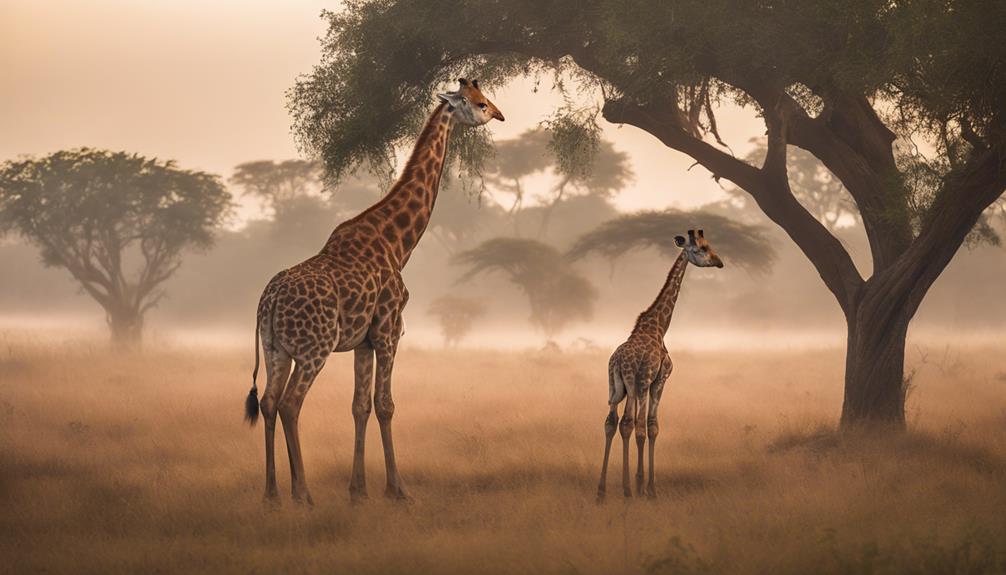
Wildlife conservation efforts are yielding heartening results, offering a beacon of hope for the planet's biodiversity. Species once on the brink of extinction, like elephants and mountain gorillas, are making a comeback thanks to collaborative conservation strategies. In Africa, community-led initiatives have improved wildlife populations, while marine sanctuaries are replenishing fish populations and reducing plastic waste. Humans and wildlife are coexisting more harmoniously, with eco-tourism and sustainable agriculture promoting responsible land use. As innovative technologies and international cooperation enhance conservation efforts, the future of wildlife conservation looks brighter than ever, and there's still more to discover in this inspiring journey.
Species Back From the Brink
What would have become extinct species are now thriving, thanks to collaborative conservation efforts that have pulled them back from the brink of extinction. The California condor, for instance, was on the verge of disappearing, with only 22 individuals remaining in the 1980s. However, thanks to a joint conservation program, their numbers have increased to over 500, with populations thriving in the wild.
Conservation efforts have also led to the recovery of the bald eagle, once an endangered species in the United States. The banning of DDT, habitat protection, and reintroduction programs have contributed to their remarkable comeback. Today, there are an estimated 70,000 bald eagles in North America, a proof of the power of collaborative conservation.
Similarly, the gray wolf, once nearly wiped out of the United States, has made a remarkable recovery. After being reintroduced to Yellowstone National Park in the 1990s, their numbers have grown, and they have been delisted from the endangered species list. These heartening stories demonstrate the impact of targeted conservation efforts, highlighting the importance of protecting habitats, combating pollution, and addressing human-wildlife conflict. By working together, we can ensure the long-term survival of endangered species and preserve the rich biodiversity of our planet.
Conservation Success in Africa
Across Africa, numerous conservation initiatives have yielded remarkable results, with several species rebounding from the brink of extinction. One of the key factors driving this success is community involvement. By engaging local communities in conservation efforts, organizations have been able to tap into their traditional knowledge and expertise, fostering a sense of ownership and responsibility for the land and its wildlife. This approach has led to the establishment of sustainable conservation models that benefit both humans and animals.
Conservation partnerships have also played a crucial role in the continent's conservation success. Collaborations between governments, NGOs, and local communities have enabled the sharing of resources, expertise, and knowledge, resulting in more effective conservation strategies. For instance, the African Wildlife Foundation has partnered with local communities to establish conservation corridors, protecting critical habitats and allowing animals to roam freely. Similarly, the Kenyan government has worked with conservation organizations to implement anti-poaching initiatives, resulting in a significant decline in elephant poaching.
These partnerships have also facilitated the development of eco-tourism initiatives, providing alternative livelihoods for local communities and generating income for conservation efforts. As a result, many African countries have seen significant improvements in wildlife populations, including elephants, lions, and mountain gorillas. These heartening stories from Africa serve as a testament to the power of community involvement and conservation partnerships in driving positive change for the continent's incredible wildlife.
Protecting Oceans and Marine Life
Ocean preservation efforts are gaining momentum worldwide, with innovative strategies and technologies being employed to safeguard marine ecosystems and the incredible array of species that inhabit them. One vital step in this fight is the establishment of marine sanctuaries, which provide a safe haven for marine life to thrive. These protected areas not only conserve biodiversity but also help to replenish depleted fish populations, supporting the livelihoods of communities that depend on them.
Another significant battle being waged is against plastic pollution. It's estimated that over 8 million tons of plastic waste enter the world's oceans every year, harming marine life and contaminating the food chain. To combat this, organizations and governments are implementing measures to reduce plastic waste, increase recycling, and promote sustainable practices. For example, some countries have banned single-use plastics, while others are investing in technologies that can break down plastic debris.
As the world continues to grapple with the challenges facing our oceans, it's heartening to see the progress being made. From marine sanctuaries to anti-pollution initiatives, conservation efforts are making a tangible impact. By working together, we can secure the long-term health of our oceans and the incredible creatures that call them home. As we move forward, it's vital to stay committed to these efforts, protecting the delicate balance of marine ecosystems and preserving the beauty and wonder of our planet's oceans.
Humans and Wildlife Coexisting
As humans increasingly encroach on natural habitats, innovative solutions are emerging to facilitate harmonious coexistence with wildlife. The key to peaceful coexistence lies in adopting sustainable solutions that prioritize habitat preservation. This approach not only safeguards wildlife populations but also secures the well-being of local communities.
In various parts of the world, community involvement has become a pivotal aspect of habitat preservation. Locals are now actively participating in conservation efforts, recognizing the significance of preserving natural habitats for future generations. For instance, in Africa, community-led conservation initiatives have led to the establishment of wildlife corridors, allowing animals to migrate freely without human interference.
Innovative solutions, such as eco-tourism and sustainable agriculture, are also gaining traction. These initiatives promote responsible land use, reducing the pressure on natural habitats while generating income for local communities. By supporting these efforts, humans can coexist with wildlife, securing the long-term survival of both.
The shift towards sustainable coexistence is heartening, as it acknowledges the intricate relationship between humans and wildlife. By prioritizing habitat preservation and community involvement, humans can create a safe and thriving environment for all species. As the world continues to urbanize, it's essential to adopt these sustainable solutions, securing a peaceful coexistence between humans and wildlife for generations to come.
Innovative Conservation Strategies
Technological advancements are revolutionizing wildlife conservation, enabling researchers to develop innovative strategies that pinpoint and mitigate human-wildlife conflict. One such approach is the use of drones equipped with thermal imaging cameras to monitor wildlife populations and detect potential threats. This technology allows conservationists to respond quickly and effectively to conflicts, reducing the risk of injury or death to both humans and animals.
Community involvement is also pivotal in innovative conservation strategies. By engaging local communities in conservation efforts, researchers can gather valuable insights into human-wildlife conflict and develop targeted solutions. For instance, community-led conservation initiatives have successfully reduced human-wildlife conflict in African savannas by providing education and training on sustainable land-use practices.
Raising public awareness is another key component of innovative conservation strategies. Through targeted campaigns and education programs, conservationists can raise awareness about the importance of coexisting with wildlife and the simple actions individuals can take to reduce their impact. By promoting sustainable practices, such as reducing waste and using eco-friendly products, conservationists can inspire individuals to make a positive impact on the environment. Highlighting environmental success stories can further motivate communities to engage in conservation efforts by showcasing real-world examples of positive change. These stories demonstrate that individual and collective actions can lead to meaningful improvements in wildlife protection and habitat restoration. By celebrating these achievements, conservationists can foster a sense of optimism and encourage broader participation in sustainability initiatives.
Ultimately, innovative conservation strategies rely on a combination of technology advancements, community involvement, public awareness, and sustainable practices. By working together, conservationists can develop effective solutions to human-wildlife conflict, ensuring a safer and more sustainable future for both humans and wildlife.
Frequently Asked Questions
How Do Wildlife Conservation Efforts Impact Local Communities Economically?
As a river flows, nourishing the landscape, wildlife conservation efforts can have a similar impact on local communities. They create a trickle-down effect, bringing ecotourism benefits and empowering communities. By promoting sustainable livelihoods, conservation initiatives support biodiversity conservation, generating income and stimulating local economies. This, in turn, fosters a sense of safety and stability, allowing communities to thrive alongside the protected wildlife.
Are Conservation Organizations Transparent About Their Funding and Spending?
Conservation organizations are expected to be transparent about their funding and spending, ensuring donor accountability. They should provide clear breakdowns of their financials, showcasing how donations contribute to conservation impact. This financial transparency fosters trust, allowing donors to make informed decisions. Additionally, it encourages community engagement, as local communities can see the tangible benefits of conservation efforts. By being open about their finances, organizations can build strong relationships with donors and communities, ultimately driving more effective conservation outcomes.
Can Individual Actions, Like Recycling, Make a Significant Difference?
She believes individual actions, like recycling, can make a significant difference in promoting sustainable living. By adopting eco-friendly habits, individuals reduce their environmental impact, creating a ripple effect. Every small action counts, and collective efforts can lead to substantial positive change. It's essential to recognize the power of individual contributions in driving a safer, more sustainable future.
How Do Conservationists Address Criticism From Indigenous Communities?
Like a conductor leading a symphony, conservationists must harmonize with indigenous communities to address criticism. They acknowledge past wrongs and engage in community-led initiatives, ensuring cultural sensitivity. By doing so, they build trust and co-create solutions that respect local knowledge and values. This collaborative approach not only mitigates criticism but also fosters a sense of safety and mutual respect, ultimately leading to more effective conservation outcomes.
Are There Conservation Efforts Focused on Invertebrates, Like Insects?
Conservationists are indeed focusing on invertebrates, like insects. They're working to protect pollinators, such as bees, by creating bee-friendly habitats and reducing pesticide use. Additionally, efforts are underway to conserve marine invertebrates, like coral reefs, which are essential for ocean health. These initiatives not only guarantee the survival of these species but also maintain ecosystem balance, ultimately contributing to a safer environment for humans and wildlife alike.