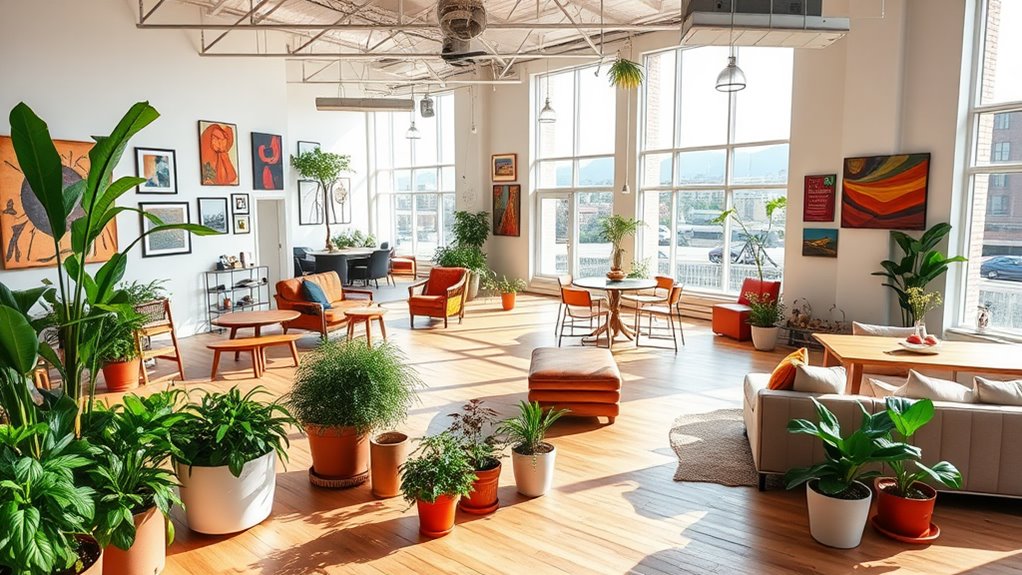
Co-living spaces are changing urban living by blending private and communal areas, perfect for those seeking affordability and connection. They cater to young professionals, digital nomads, and eco-conscious renters. Key to their design is a focus on community, featuring shared kitchens, lounges, and workspaces that encourage engagement. Multi-functional spaces promote socializing as well as ensuring privacy through thoughtful layouts and movable furniture. Crucial amenities like fitness centers and high-speed internet make daily life convenient. As trends evolve, co-living continues to adapt to new lifestyles and desires. Stick around to discover more about the unique features and future of co-living spaces.
Understanding Co-Living Spaces
Co-living spaces are redefining modern living by offering a blend of private and communal environments. You're stepping into a lifestyle that encourages collaboration, connection, and innovation. Envision sharing not just a roof, but also ideas and experiences with like-minded individuals. One of the most significant co-living benefits is the sense of community it nurtures. You're not just renting a room; you're becoming part of a lively network that can lead to lasting friendships and professional opportunities.
However, it is crucial to weigh the co-living drawbacks. Living in close quarters with others can sometimes lead to conflicts over shared spaces or differing lifestyles. You might find that privacy is limited, which could be a challenge if you value solitude. Furthermore, the costs can vary widely, with some co-living arrangements demanding high premiums for amenities and services that may not always align with your needs.
Despite these challenges, co-living spaces often provide a unique opportunity for personal growth and social engagement. You're encouraged to participate in community events and workshops that can enrich your life. Flexibility is another advantage, as many co-living setups offer short-term leases, allowing you to explore different environments without long-term commitments.
Ultimately, comprehending co-living spaces means recognizing both the potential for community and the challenges of shared living. If you're seeking innovation in your lifestyle, co-living could be the perfect fit, offering both connection and convenience in the heart of urban life.
Historical Context of Co-Living
The concept of shared living isn't new; it's steeped in history and has evolved considerably over time. Communal living has roots that stretch back to ancient societies, where shared resources and responsibilities were fundamental for survival. Historical influences, such as the rise of communal farms and the cooperative housing movement, laid the groundwork for today's co-living spaces.
As urban development accelerated in the 19th and 20th centuries, cities became overcrowded, leading to housing crises that pushed people to seek alternative living arrangements. In response to these economic factors, innovative architectural trends emerged, creating multi-family dwellings that catered to the needs of diverse populations. The lifestyle shifts that accompanied these changes nurtured a cultural evolution, where the concept of community became integral to urban living.
Today, co-living reflects a blend of these historical influences, adapting to modern sensibilities as it addresses ongoing challenges. With the rising cost of living and a growing population, co-living spaces offer an innovative solution that promotes collaboration and connection among residents. You see this innovation in the design of shared amenities and communal areas, which encourage interaction and cultivate a sense of belonging.
As you explore deeper into the realm of co-living, it's clear that this approach to housing isn't just a trend; it's a response to the complex fabric of societal changes and economic realities. By embracing co-living, you're participating in a historical continuum, where the spirit of communal living thrives in contemporary urban settings.
Target Demographics
Urban dwellers today are increasingly drawn to co-living spaces, which cater to a diverse range of demographics. These innovative living arrangements resonate particularly well with young professionals and urban millennials who value affordability and social connectivity. As the workforce evolves, remote workers and digital nomads are seeking flexible options that support their lifestyles during encouraging collaborative living in lively communities.
Co-living spaces not merely address the need for affordable housing but additionally promote lifestyle integration. Eco-conscious renters, for example, appreciate sustainable designs and communal resources that align with their values. The shared amenities and spaces encourage networking and friendships among residents, creating a sense of belonging in diverse communities.
Here's a quick breakdown of the key target demographics:
| Target Demographic | Key Characteristics |
|---|---|
| Young Professionals | Career-focused, seeking networking |
| Digital Nomads | Traveling workers, value flexibility |
| Affordability Seekers | Budget-conscious, prioritizing cost |
| Eco-Conscious Renters | Sustainability-focused, seeking community |
As you explore co-living options, you'll find that these spaces are designed not just for living but additionally for thriving. Whether you're a remote worker looking to collaborate or an urban millennial wanting to forge new connections, co-living offers a unique lifestyle that emphasizes shared experiences and a sense of community. Embrace the future of living, where diverse communities come together in harmony.
Key Design Principles
When designing co-living spaces, you'll want to focus on optimizing every inch to create a welcoming atmosphere. Community-centric layouts can improve social interaction, as flexible furnishings and amenities cater to diverse lifestyles. Let's explore how these key design principles can transform a shared living experience.
Space Optimization Techniques
How can you make the most of limited space in co-living environments? By embracing innovative space optimization techniques, you can transform compact areas into functional havens. Start with modular design; it allows you to reconfigure spaces easily, adapting to your needs. Incorporate multi-purpose areas to maximize utility—think foldable furniture or convertible workspaces.
Utilizing smart technology is crucial. Smart lighting and climate control improve energy efficiency, whereas advanced security systems provide peace of mind. Privacy solutions, like acoustic treatments and strategic space zoning, create personal retreats within shared environments.
Don't forget greenery integration; plants not only beautify but likewise improve air quality, promoting a healthier atmosphere. Accessibility features should be a priority too, ensuring everyone can navigate and enjoy the space comfortably.
Community-Centric Layouts
Designing co-living spaces with a community-centric approach promotes connection and collaboration among residents. By integrating shared spaces and communal areas, you create environments where social dynamics thrive. These collaborative environments encourage interaction among individuals with mutual interests, nurturing a sense of belonging and community.
Key to this design philosophy are interaction zones, where residents can engage in activities that improve lifestyle integration. Think cozy lounges, lively kitchens, and flexible meeting rooms that invite participation and creativity. This inclusive design prioritizes accessibility, ensuring everyone feels welcome and valued.
While nurturing a strong community is crucial, privacy considerations must additionally be in place. Incorporating personal nooks or quiet areas allows residents to retreat when needed, balancing social engagement with solitude.
Engagement activities—like workshops, movie nights, or group fitness classes—bring people together, reinforcing connections and building relationships. By prioritizing these elements in your co-living design, you not just create spaces that feel like home but likewise cultivate a thriving community where residents can flourish together. Embracing community-centric layouts transforms co-living into a lively mosaic of shared experiences, mutual support, and innovative living.
Flexible Furnishings and Amenities
Flexible furnishings and amenities play a crucial role in maximizing the functionality of co-living spaces. You'll find that these elements are designed to create multi-functional areas that cater to a variety of needs, from work and relaxation to socializing and dining. With adaptable layouts, you can easily transform a shared space into a cozy nook or a group meeting area, depending on what you need at the moment.
Imagine modular furniture that can be reconfigured at a moment's notice, ensuring that every inch of your space is utilized effectively. This not only improves comfort but likewise encourages creativity and collaboration among residents. For instance, movable partitions can create privacy when needed but can likewise be removed to open up the space for communal events.
Additionally, amenities like foldable tables, stackable chairs, and convertible sofas make it easy to adjust the environment for various activities. By embracing these design principles, co-living spaces become more than just a place to stay; they evolve into lively communities where innovation thrives and connections deepen. In the end, flexible furnishings and amenities empower you to live dynamically in an ever-changing world.
Essential Amenities
Important amenities play a significant role in making co-living spaces both functional and inviting. These spaces are designed to promote a sense of community while ensuring that residents enjoy modern conveniences. When you choose a co-living environment, look for fundamental amenities that improve your living experience and align with sustainable living practices.
Incorporating sustainability features is vital. You'll find amenities like energy-efficient appliances, recycling stations, and water-saving fixtures that not just reduce your carbon footprint but also lower utility costs. Moreover, technology integration is a game-changer. High-speed internet, smart home devices, and app-based community management platforms streamline your daily tasks, making life easier.
Here's a quick overview of fundamental amenities you should expect in a co-living space:
| Fundamental Amenity | Description |
|---|---|
| Shared Kitchen | Fully equipped for communal cooking and dining. |
| Fitness Center | On-site gym with modern equipment for health enthusiasts. |
| Co-Working Space | Designed for productivity and collaboration with high-speed internet. |
| Outdoor Spaces | Green areas for relaxation, gardening, or outdoor events. |
| Laundry Facilities | Convenient access to washers and dryers within the building. |
These amenities not just meet your daily needs but also encourage a lifestyle that prioritizes connectivity and sustainability. By selecting co-living spaces with these features, you're investing in a home that supports both your personal and environmental values.
Community Building Strategies
In co-living spaces, the design of shared amenities plays an essential role in promoting connections among residents. By thoughtfully planning social events, you can create opportunities for meaningful interactions and build a strong community. Let's explore how these strategies can improve your living experience.
Shared Amenities Design
Creating shared amenities in co-living spaces isn't merely about functionality; it's about cultivating community connections. You want to design environments that inspire interaction and collaboration. Picture cooking in a collaborative kitchen, where residents whip up meals together, sharing culinary secrets and nurturing friendships. Multifunctional lounges can serve as lively hubs for relaxation, work, or socializing, seamlessly adjusting to your needs throughout the day.
Outdoor gathering areas can bring fresh air and nature into your living experience, encouraging spontaneous meet-ups and events. Integrating wellness spaces promotes a healthy lifestyle, inviting residents to engage in yoga, meditation, or fitness classes together.
Privacy solutions are crucial, too, allowing you to retreat when necessary while still feeling part of a community. Using sustainable materials protects the environment and creates a warm, inviting atmosphere. Technology integration can amplify your experience, from smart home features to easy booking systems for shared resources.
Incorporating artistic elements and cultural inclusivity nurtures a sense of belonging, celebrating diversity. Finally, adaptable workspaces guarantee you can work efficiently while connecting with your neighbors, striking the perfect balance between productivity and community engagement.
Social Events Planning
Planning social events in co-living spaces is vital for cultivating a lively community. By embracing innovative event themes, you can encourage resident engagement and strengthen connections among neighbors. Create activity calendars that highlight diverse offerings, from game nights to fitness classes, ensuring there's something for everyone.
Networking opportunities are important. Consider hosting workshops where residents can share their skills, whether it's cooking competitions or DIY crafts. These events not only provide fun but additionally encourage collaboration and creativity. Integrate cultural celebrations into your planning to honor the diverse backgrounds of your residents, enriching the community's fabric.
Holiday gatherings should be a staple in your social calendar, allowing everyone to come together in a festive atmosphere. Keep the momentum going by regularly soliciting feedback on past events and ideas for future ones. This approach not only boosts resident engagement but also promotes a sense of ownership within the community.
Incorporating these strategies into your social events planning will make your co-living space a dynamic hub of interaction, creativity, and connection, ensuring residents feel at home and valued.
Challenges in Co-Living Design
Co-living design faces a variety of challenges that can impact the overall experience of residents. You'll need to navigate complex issues such as privacy concerns and noise management, which are essential for maintaining a harmonious living environment. Balancing communal spaces with private areas can be tricky, especially when residents come from diverse cultural backgrounds that influence their preferences and lifestyles.
Here are some key challenges you might encounter:
- Privacy concerns: Ensuring residents feel secure in shared spaces during maintaining a sense of community.
- Noise management: Implementing soundproofing solutions to minimize disturbances in both private and communal areas.
- Legal regulations: Staying compliant with local zoning laws and building codes, which can vary greatly by location.
- User feedback: Continuously gathering and integrating resident input to improve design and functionality.
Financial models additionally play an essential role in shaping co-living spaces. You'll want to design flexible layouts that can adapt to changing resident needs and market trends. Sustainability practices are increasingly important, too; incorporating eco-friendly materials and energy-efficient systems can attract environmentally-conscious residents.
With these challenges in mind, you must embrace innovation and creativity in your approach to co-living design. By addressing these factors head-on, you can create lively, functional spaces that improve community living during respecting individual needs.
Future Trends in Co-Living
Embracing new technologies and evolving lifestyles is crucial for the future of co-living spaces. As urban developments continue to rise, you'll notice a greater emphasis on sustainability initiatives, which will not just reduce environmental impact but additionally attract eco-conscious tenants. With demographic shifts reshaping urban populations, co-living spaces will cater to diverse lifestyle preferences, offering flexible living arrangements that suit various age groups and backgrounds.
Technology integration is set to redefine your co-living experience. Expect smart home features that improve convenience and security, along with platforms that promote community engagement. As remote work trends gain traction, co-living spaces will need to adapt by providing dedicated workspaces and reliable internet access to meet the demands of digital nomads and remote professionals.
Affordability challenges persist, but innovative design solutions can help create cost-effective living environments without compromising quality. Expect design innovations that maximize space utilization during maintaining comfort and style. Cultural influences will play a significant role in shaping these designs, reflecting the unique characteristics of each community.
As market competition intensifies, co-living operators will focus on creating distinctive offerings that resonate with potential residents. By tapping into the evolving needs of tenants, these spaces will cultivate a sense of belonging and community, making co-living an attractive option for urban dwellers. In this dynamic environment, the future of co-living looks bright, with endless opportunities for those ready to embrace change.
Frequently Asked Questions
What Are the Costs Associated With Co-Living Spaces?
When you consider the costs associated with co-living spaces, affordability factors come into play. You'll find that rent is often lower than traditional apartments, but you should account for shared amenities, like kitchens and lounges, which can influence your overall expenses. Moreover, utilities and maintenance fees might be included in your rent, making budgeting easier. Exploring these elements can help you determine if co-living fits your innovative lifestyle and financial goals.
How Do Co-Living Contracts Differ From Traditional Leases?
Envision stepping into a world where your living arrangement feels more like a community than a contract. Co-living contracts offer flexibility that traditional leases can't match. Instead of rigid terms, you enjoy shorter commitments and often include utilities and amenities. This encourages community engagement, allowing you to connect with like-minded individuals. You're not just signing a lease; you're embracing a lifestyle built on collaboration and shared experiences. Isn't that an innovative way to live?
Are Co-Living Spaces Pet-Friendly?
Are co-living spaces pet-friendly? It really depends on the specific community you're considering. Many modern co-living spaces embrace pet policies that promote community engagement and inclusivity. You'll often find amenities like pet parks or play areas, encouraging interaction among pet owners. When you're exploring options, be sure to ask about any restrictions or fees. Adopting a pet-friendly approach not just improves your living experience but additionally creates a lively, welcoming environment.
What Safety Measures Are Implemented in Co-Living Environments?
Oh sure, since nothing says modern living like a communal space where you hope your roommate doesn't accidentally set off the fire alarm! In co-living environments, you'll find high-quality security features like keycard access and surveillance cameras. Plus, emergency protocols are in place, ensuring you know exactly where to go when chaos ensues. So go ahead, embrace innovation during feeling secure—or at least as secure as you can in shared chaos!
Can Individuals Customize Their Private Spaces in Co-Living?
Absolutely, you can customize your private space in co-living environments! Although there might be some space limitations, many co-living setups offer personalization options to make your area feel like home. You can often choose decor, furniture arrangements, and even color schemes that reflect your style. This flexibility allows you to infuse your personality into your living space, nurturing a sense of comfort and community as you embrace innovative design principles.