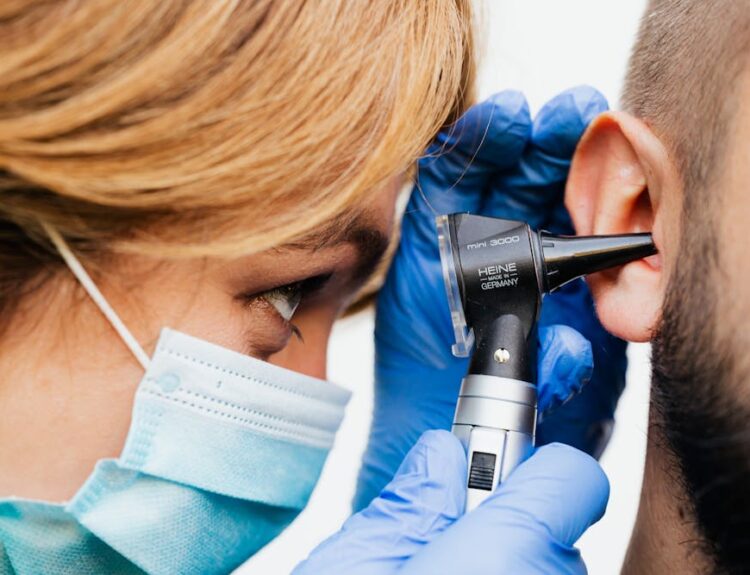
Biometric authentication improves security by utilizing unique physiological and behavioral characteristics. Common systems include fingerprint recognition, which analyzes fingertip patterns, and facial recognition, employing advanced algorithms for accurate identification. Iris scanning provides high levels of precision, whereas voice recognition examines vocal traits. These technologies are prevalent in various sectors, including healthcare and finance, promoting user convenience. Nonetheless, challenges exist, such as privacy concerns and the need for robust data protection. As advancements continue in algorithms and machine learning, the future of biometric technology promises greater accuracy and security. There's much more to explore regarding its potential and implications.
What Is Biometric Authentication?
Biometric authentication is increasingly recognized as a secure method for verifying an individual's identity through unique physiological or behavioral characteristics. This technology leverages traits such as fingerprints, facial recognition, iris patterns, and voiceprints to authenticate users, thereby improving security measures in various sectors, including banking, healthcare, and mobile devices. The appeal of biometric systems lies in their ability to streamline the user experience; they offer a more intuitive and faster alternative to traditional password-based systems.
However, while biometric authentication simplifies access and increases security, it additionally raises important ethical implications. The collection and storage of biometric data must be handled with the utmost care to prevent misuse or unauthorized access. As biometric traits are inherently personal and immutable, any breaches could lead to irreversible identity theft, causing significant harm to individuals. Furthermore, there are concerns regarding consent, as users may not fully understand the extent to which their biometric information is being collected and utilized.
The balance between user experience and ethical considerations is vital in the deployment of biometric authentication systems. Organizations must guarantee transparency in their practices and implement robust security measures to protect sensitive data. As the technology evolves, ongoing dialogue about its ethical implications will be fundamental to cultivate trust and safeguard users' rights. In the end, by addressing these concerns, biometric authentication can improve both security and user experience, paving the way for its broader acceptance and integration into everyday life.
Types of Biometric Systems
A diverse range of biometric systems exists, each employing different physiological or behavioral traits for identity verification. As technology advancements continue to evolve, the adoption of biometric authentication is accelerating, driven by both security improvements and the growing concerns regarding privacy implications. Below are some of the prominent types of biometric systems currently in use:
- Fingerprint Scanners: Utilizing unique patterns found on an individual's fingertips, these scanners have become one of the most common biometric verification methods because of their high accuracy and user adoption rates.
- Facial Detection: This technology analyzes facial features and their geometric relationships, allowing for quick identification. As biometric trends shift in the direction of more seamless interactions, facial detection is increasingly employed in smartphones and security systems.
- Iris Recognition: Leveraging the distinct patterns in an individual's iris, this method offers a high level of precision. Its effectiveness makes it suitable for high-security environments.
- Voice Patterns: This system analyzes unique vocal characteristics, providing a behavioral analysis approach to authentication. Voice recognition is particularly useful in telecommunication and remote access scenarios.
As these diverse systems gain traction, they bring forth discussions around privacy implications and the ethical use of biometric data. The ongoing integration of biometric systems not only improves security but also reshapes user interactions with technology, promoting greater trust and convenience in digital environments.
Fingerprint Recognition Technology
Fingerprint recognition technology operates by capturing and analyzing the unique patterns of ridges and valleys on an individual's fingertips. This method boasts high accuracy and reliability, making it a popular choice for various security applications. Nevertheless, it likewise faces challenges related to spoofing and environmental factors that can impact its effectiveness.
How It Works
How does fingerprint recognition technology accurately identify individuals? This process begins with specialized sensor technology that captures the unique patterns of an individual's fingerprint. The collected data undergoes rigorous algorithm development to generate a digital representation, which is then encrypted for security purposes. This guarantees user convenience during maintaining data integrity.
Key aspects of fingerprint recognition technology include:
- Authentication speed: Processes can occur in seconds, enhancing user experience.
- Regulatory compliance: Adhering to biometric standards guarantees legality and security in various industries.
- Implementation costs: Although initial setup may be high, long-term savings can be realized through streamlined access control.
- System integration: Fingerprint technology can be easily integrated with existing security systems, providing a seamless user experience.
Once the fingerprint is captured and encrypted, it is compared against a database to confirm identity, allowing swift and secure access. The combination of these elements not only boosts user convenience but additionally reinforces the overall security framework, making fingerprint recognition a crucial component of modern biometric authentication systems.
Accuracy and Reliability
The accuracy and reliability of fingerprint recognition technology are fundamental in establishing trust in biometric systems. These systems rely on detailed algorithms that analyze specific features of a fingerprint, such as ridge patterns and minutiae points. Accuracy metrics are indispensable in evaluating how well these algorithms can correctly identify or verify an individual based on their fingerprint. High accuracy rates, often exceeding 99%, indicate that the technology is capable of minimizing false acceptance and rejection rates.
Additionally, reliability standards play an important role in ensuring consistent performance across various conditions and environments. A reliable fingerprint recognition system should perform effectively in diverse situations, such as variations in skin condition or environmental factors. This consistency is significant for applications ranging from security access control to personal devices.
Moreover, ongoing advancements in sensor technology and machine learning algorithms are enhancing both the accuracy and reliability of fingerprint recognition. By continuously refining these systems, developers aim to achieve even higher performance metrics, promoting greater confidence among users. As these technologies evolve, they promise to further solidify fingerprint recognition as a leading choice in biometric authentication, balancing user convenience with stringent security requirements.
Security Challenges Addressed
As high accuracy and reliability are hallmarks of biometric systems, security challenges remain a significant concern in fingerprint recognition technology. Addressing these challenges is critical for improving user experience, preventing fraud, and guaranteeing regulatory compliance. The following issues are at the forefront of current discussions around fingerprint authentication:
- Accessibility Issues: Not all users can provide clear fingerprints, raising concerns about inclusivity.
- Technology Integration: Effective integration with existing systems is necessary to maintain smooth operation and security.
- User Acceptance: Gaining user trust is essential; skepticism can hinder the adoption of fingerprint technology.
- Authentication Trends: Staying updated with evolving authentication trends guarantees that systems remain robust against emerging threats.
To facilitate effective identity verification, it is imperative to tackle these challenges proactively. By doing so, companies can improve their fraud prevention strategies during regulatory compliance. As the technology evolves, continuous innovation and user-centric approaches will play a significant role in shaping the future environment of biometric authentication. In the end, the balance between security and user convenience will drive the next generation of fingerprint recognition systems.
Facial Recognition Mechanisms
Utilizing advanced algorithms and deep learning techniques, facial recognition mechanisms have become fundamental to modern biometric authentication systems. These systems operate by employing facial mapping to create a unique representation of an individual's face, which can then be compared against stored images for verification. High image resolution is vital, as it improves the accuracy of the comparison and supports capabilities such as age estimation and gender classification.
One of the notable features of facial recognition technology is its capacity for emotion detection and expression recognition. By analyzing facial movements and micro-expressions, these systems can assess emotional states, adding another layer of insight beyond mere identification. Yet, the effectiveness of these mechanisms can be influenced by varying lighting conditions, which can distort or obscure key facial features.
Algorithm efficiency plays a significant role in the rapid processing and identification of faces within large databases. This efficiency is fundamental for real-time applications, such as security surveillance and mobile device access. Nonetheless, the deployment of facial recognition technologies raises ethical implications regarding privacy and data storage. Concerns about the potential misuse of biometric data necessitate robust frameworks to guarantee ethical practices and safeguard individuals' rights.
As facial recognition mechanisms continue to evolve, balancing technological advancements with ethical considerations remains a pressing challenge for developers and policymakers alike.
Iris and Retina Scanning
Iris and retina scanning technologies represent some of the most secure forms of biometric authentication available today. These methods leverage unique characteristics of the eye to provide highly accurate identification and verification solutions. Iris patterns and retina images are distinct for each individual, making them reliable attributes for secure access control.
The advancements in scanning techniques have considerably improved biometric accuracy, allowing for swift and precise eye recognition. As a result, these technologies are increasingly utilized across various security applications, including:
- Access control: Secure entry to facilities and devices.
- Financial transactions: Authentication for banking and payment systems.
- Healthcare: Patient identification to prevent fraud.
- Mobile devices: User authentication for smartphones and tablets.
Iris and retina scanning systems work by capturing high-resolution images of the iris or retina and analyzing the intricate details present. These intricate patterns are virtually impossible to duplicate, thereby providing a robust defense against identity theft. Moreover, the technology advancements in this field have made eye recognition not only faster but also more user-friendly, eliminating the need for physical contact in many cases.
As organizations increasingly seek effective authentication methods to safeguard sensitive information, iris and retina scanning technologies will likely continue to play a pivotal role in improving security measures. Their unique ability to deliver high levels of accuracy while minimizing the risk of fraud solidifies their status as a leading choice in the field of biometric authentication.
Voice Recognition Systems
Voice recognition systems authenticate individuals by analyzing unique vocal characteristics, such as pitch and cadence. In spite of their convenience, these systems face significant security challenges, including susceptibility to spoofing and environmental noise interference. Comprehending both the operational mechanics and potential vulnerabilities is crucial for enhancing the reliability of voice-based authentication.
How It Works
Biometric authentication through voice recognition systems operates by analyzing unique vocal characteristics that distinguish one individual from another. This technology employs various methods to extract and evaluate these features, enabling secure user identification.
Key components of voice recognition systems include:
- Sensor Integration: High-quality microphones capture vocal input, ensuring clarity and precision in the recorded signal.
- Feature Extraction: The system identifies distinctive vocal traits, such as pitch, tone, cadence, and frequency patterns, which serve as the basis for comparison.
- Algorithm Optimization: Advanced algorithms process the extracted features, creating a voiceprint that is stored for future authentication attempts.
- Matching Process: When a user attempts to authenticate, their voice is analyzed in real-time, and the system compares the live input against the stored voiceprint.
These steps work in concert to establish a reliable identification process, making voice recognition a robust option for biometric authentication. As technology continues to evolve, improvements in sensor integration and algorithm optimization will boost the accuracy and efficiency of voice recognition systems, further solidifying their role in modern security measures.
Security Challenges Faced
The reliability of voice recognition systems is often undermined by several security challenges that can compromise user authentication. One notable concern is the potential for data breaches, where voice samples may be intercepted and misused, leading to identity theft. This vulnerability can greatly impact user acceptance, as individuals may hesitate to adopt technologies perceived as insecure.
Moreover, ethical implications arise when evaluating how voice data is stored and managed. Without robust regulatory frameworks, users may be uncertain about their privacy rights, further hindering public perception of these systems. Furthermore, the rapid pace of technology advancements can create integration challenges; ensuring that voice recognition systems work seamlessly with existing security protocols is essential for a positive user experience.
Another factor to evaluate is the variability in voice because of health or environmental changes, which can affect system reliability. Addressing these challenges requires a thorough approach that balances security with usability, nurturing trust among users. As the field evolves, it is imperative to prioritize transparency and accountability in the development of voice recognition systems to improve both user experience and public confidence.
Behavioral Biometrics
Behavioral biometrics, an advanced field within the broader domain of biometric authentication technology, focuses on the unique patterns of human behavior as a means of identity verification. Unlike traditional biometrics that rely on physical traits, behavioral biometrics analyzes user behavior and authentication patterns to create a dynamic profile for each individual. This innovative approach improves security and reduces the risk of fraud.
Key components of behavioral biometrics include:
- User Profiling: Establishing a detailed profile based on individual behavior patterns.
- Adaptive Learning: Continuously improving the system's accuracy by learning from user interactions over time.
- Context Awareness: Integrating situational factors, such as location and device compatibility, to refine authentication processes.
- Risk Assessment: Evaluating potential threats by analyzing deviations from established behavioral norms.
The effectiveness of behavioral biometrics hinges on comprehending the psychological factors that influence user behavior. By combining data from various sources, systems can identify anomalies that may indicate fraudulent activity, thereby improving fraud detection measures. Additionally, seamless system integration allows organizations to implement behavioral biometrics alongside existing security protocols, further strengthening their defenses.
As businesses increasingly prioritize security, the adoption of behavioral biometrics represents a significant evolution in identity verification. By leveraging the nuances of user behavior, organizations can achieve a more reliable and user-friendly authentication process, ultimately cultivating trust and security in digital interactions.
Applications in Various Industries
Applications of biometric authentication technology span a wide range of industries, improving security protocols and streamlining user experiences. In the healthcare sector, for instance, biometric systems facilitate secure access to patient records and guarantee that only authorized personnel can administer medication, thereby protecting sensitive health data. In financial services, biometrics such as fingerprint and facial recognition expedite transactions and safeguard against fraud, offering customers both convenience and security.
Retail security also benefits greatly from biometric authentication, as it helps identify potential shoplifters and restricts access to sensitive areas within stores. Law enforcement agencies utilize biometric technologies, including fingerprint and iris recognition, to improve crime scene investigations and enhance the accuracy of suspect identification, thereby increasing public safety.
The travel industry is increasingly adopting biometrics for smoother passenger experiences at airports. Automated kiosks equipped with facial recognition can expedite check-ins and security screenings, reducing wait times. Similarly, in the education sector, biometric systems can improve campus security by controlling access to buildings and safeguarding student information.
As smart home technology continues to evolve, biometric authentication plays a vital role in guaranteeing secure access to personal devices and home systems. Finally, in workplace safety, biometric solutions can monitor employee attendance and restrict access to hazardous areas, promoting a safer working environment. Overall, the integration of biometric authentication across these diverse industries not only strengthens security measures but also improves operational efficiency.
Privacy and Security Concerns
As biometric authentication becomes increasingly prevalent, significant privacy and security concerns arise. Key issues include the challenges of data protection, the necessity of informed consent and user awareness, and the potential vulnerabilities inherent in these systems. Addressing these concerns is essential to ensuring the safe and responsible implementation of biometric technologies.
Data Protection Challenges
In the domain of biometric authentication technology, data protection challenges present significant privacy and security concerns that demand careful consideration. As organizations increasingly rely on biometric data for identity verification, the potential risks associated with data breaches and identity theft become more pronounced.
Key challenges include:
- User Consent: Ensuring that users are fully informed about how their biometric data will be used and stored.
- Encryption Standards: Implementing robust encryption methods to protect sensitive biometric information from unauthorized access.
- Regulatory Compliance: Adhering to evolving laws and regulations governing the use of biometric data across regions.
- Authentication Methods: Evaluating the security of various biometric authentication methods to mitigate vulnerabilities.
Organizations must address these challenges to safeguard personal data and maintain user trust. Failure to implement stringent security measures can lead to serious repercussions, including legal liabilities and reputational damage. As a result, it is vital for companies to adopt thorough security strategies that incorporate advanced encryption techniques and comply with regulatory frameworks, thereby ensuring the integrity of biometric authentication systems during the prioritization of user privacy.
Consent and User Awareness
A fundamental aspect of biometric authentication technology is the necessity for explicit user consent and awareness regarding the use of their biometric data. Informed consent is critical, as users must be fully aware of how their data will be collected, stored, and utilized. This process hinges on effective user education, ensuring that individuals understand the ethical implications associated with their biometric information.
Transparency measures play a crucial role in promoting user control over their data. By implementing clear consent frameworks, organizations can build trust with their users, allowing them to make informed decisions about their biometric data. Users should feel empowered to grant or revoke consent at any time, reinforcing their data ownership rights.
Furthermore, it is important for companies to communicate the potential risks and benefits of biometric authentication, enabling users to weigh their options thoughtfully. By prioritizing user awareness and consent, organizations comply with legal requirements while cultivating a more ethical approach to biometric technology. This commitment to transparency and user-centric practices ultimately improves the overall security and privacy of biometric authentication systems.
System Vulnerabilities and Risks
Numerous vulnerabilities exist within biometric authentication systems, raising significant privacy and security concerns. As organizations increasingly adopt these technologies, they must be aware of potential risks and implement effective risk mitigation strategies. A thorough threat assessment should identify the following vulnerabilities:
- Spoofing attacks: Fraudsters may attempt to replicate biometric traits, such as fingerprints or facial features, to gain unauthorized access.
- Data breaches: The storage of biometric data poses a risk; if compromised, this information can be exploited for identity theft.
- Malware exploitation: Attackers may deploy malicious software to infiltrate systems and access biometric information without detection.
- Hardware security: Weaknesses in the physical components of biometric systems can lead to unauthorized access or data manipulation.
To address these concerns, organizations must prioritize regulatory compliance, ensuring adherence to privacy laws and security standards. Moreover, enhancing hardware security and employing advanced encryption techniques can help safeguard biometric data. By proactively addressing system vulnerabilities, organizations can bolster their defenses against evolving threats and protect user privacy.
Future of Biometric Technology
As advancements in technology continue to reshape our daily interactions, the future of biometric technology promises to improve security and convenience across various sectors. Emerging trends indicate a shift in the direction of multi-modal biometric systems, which integrate various biometric identifiers, such as fingerprints, facial recognition, and voice recognition. This integration boosts accuracy and user experience, addressing some of the integration challenges faced by current systems.
Market predictions suggest robust growth in the biometric sector, driven by increasing demand for secure authentication methods across industries, including finance, healthcare, and retail. Nevertheless, ethical considerations surrounding privacy and data security remain paramount. Companies must navigate these concerns during the development of solutions that comply with evolving regulatory frameworks, ensuring user trust and compliance.
Technological advancements will likely improve biometric devices, making them more accessible and user-friendly. As user adoption increases, the competitive environment will intensify, with businesses vying for market share through innovative solutions and improved service offerings. Investment opportunities in this sector are abundant, particularly in startups focused on state-of-the-art biometric technologies.
Furthermore, global perspectives on biometric technology will influence its development. Regions with varying regulatory environments may experience different rates of adoption, impacting international collaborations and market dynamics. As stakeholders address ethical, regulatory, and technological challenges, the future of biometric technology is poised to offer unprecedented security and convenience, fundamentally transforming how we interact with digital systems and each other.
Frequently Asked Questions
How Does Biometric Authentication Compare to Traditional Password Systems?
Biometric authentication offers distinct advantages over traditional password systems, particularly in user experience and security implications. Unlike passwords, which can be forgotten or compromised, biometric methods leverage unique physical traits, providing a seamless login experience. This reduces the risk of unauthorized access, as biometric data is inherently more difficult to replicate. Nevertheless, the security of biometric systems relies on robust data protection measures, as breaches could expose sensitive personal information.
What Are the Limitations of Biometric Authentication Technologies?
Biometric authentication technologies present several limitations, primarily related to privacy concerns and accessibility issues. The collection and storage of biometric data raise significant privacy risks, as unauthorized access can lead to identity theft. Furthermore, not all individuals can utilize biometric systems effectively—those with physical disabilities or specific medical conditions may face challenges. These factors highlight the need for careful consideration and strong safeguards in the implementation of biometric authentication solutions.
Can Biometric Data Be Hacked or Spoofed?
Recent studies indicate that nearly 76% of biometric systems possess identifiable vulnerabilities. These biometric vulnerabilities can be exploited through various spoofing techniques, such as using silicone masks for facial recognition or synthetic fingerprints for fingerprint scanners. Although biometric authentication offers improved security, it is not impervious to hacking. Organizations must remain vigilant and implement multi-factor authentication to mitigate risks associated with compromised biometric data. Continuous advancements in security measures are crucial to bolster user confidence.
How Is Biometric Data Stored and Secured?
Biometric data is typically stored and secured through advanced data encryption methods to protect sensitive information. Secure storage solutions, such as encrypted databases, guarantee that unauthorized access is minimized. Nonetheless, privacy concerns arise regarding the collection and use of such data, prompting discussions on ethical implications and the need for user consent. Furthermore, system interoperability must be considered to facilitate secure data sharing during maintaining robust protection against potential breaches.
What Happens if a Biometric System Fails to Recognize a User?
When a biometric system fails to recognize a user, it can lead to false rejections, greatly impacting user experience. Such failures not only frustrate users but may likewise raise security implications, as individuals may resort to alternative authentication methods that are less secure. Moreover, repeated failures can compromise user privacy if sensitive data is logged during recovery attempts. Consequently, maintaining an efficient and reliable biometric system is essential for both security and user satisfaction.