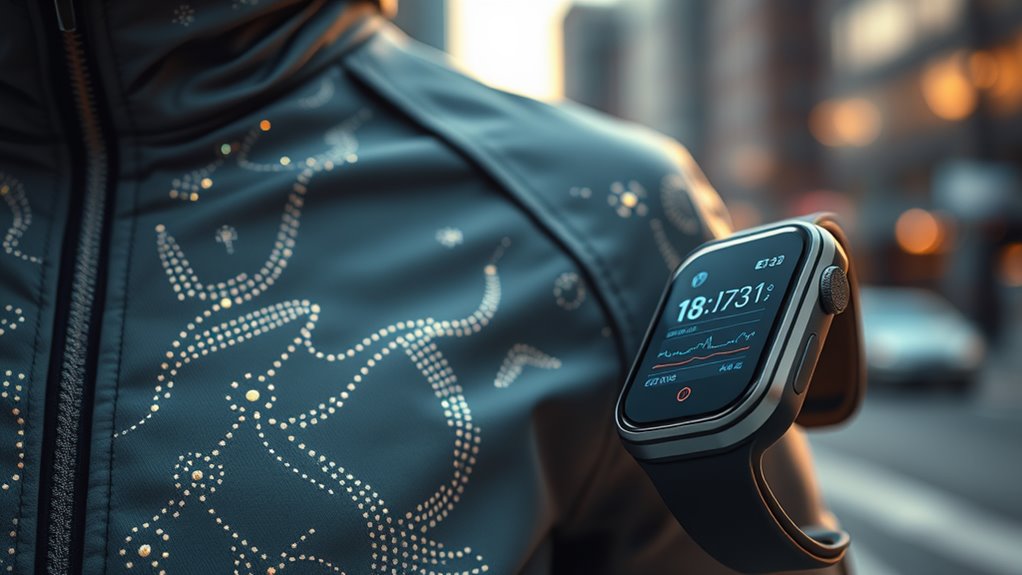
Smart textiles and wearables integrate advanced technology with traditional materials to improve functionality in various fields, including healthcare, sports, and fashion. These textiles can monitor essential signs and provide real-time feedback, empowering users to manage their health proactively. Significant benefits include enhanced user engagement and comfort, yet challenges such as data privacy and manufacturing costs persist. Future trends suggest a focus on sustainable materials and advances in nanotechnology and AI, potentially revolutionizing the apparel market. As innovation continues, a deeper comprehension of these technologies will reveal their full impact on daily life and industry.
Definition of Smart Textiles
Smart textiles, often referred to as e-textiles or smart fabrics, are materials that integrate advanced technologies to improve their functionality beyond traditional textile properties. These innovative fabrics are engineered to possess improved functional properties, enabling them to respond dynamically to environmental stimuli or user needs. This material innovation encompasses various technologies, including sensors, actuators, and conductive fibers, which can be embedded within the textile structure.
The core appeal of smart textiles lies in their ability to merge aesthetics with functionality. Unlike conventional textiles, which primarily serve decorative or protective roles, smart textiles can monitor physiological parameters, provide real-time feedback, and even adapt to changing conditions. For instance, fabrics equipped with temperature-regulating technologies can adjust their thermal properties based on the wearer's body heat, improving comfort and performance.
Furthermore, smart textiles can facilitate communication and data transfer. By integrating communication technologies such as Bluetooth or Wi-Fi, these fabrics can connect with external devices, allowing for seamless interaction between the wearer and their digital environment. This intersection of textiles and technology not only improves user experience but additionally opens new avenues for applications in health monitoring, sports performance, and even fashion.
Key Applications in Various Industries
The integration of advanced technologies into textile design has led to significant applications across a variety of industries. One of the most prominent uses of smart textiles is in health monitoring, where fabric embedded with sensors can track essential signs such as heart rate and respiration. This capability is particularly beneficial in rehabilitation support, allowing healthcare providers to monitor patients' progress remotely.
In the domain of sports performance, smart textiles improve athletes' training regimes by providing real-time feedback on physical exertion and biomechanical data. This information can aid in optimizing performance while reducing the risk of injury. Moreover, temperature regulation features in smart textiles allow for improved comfort in both active and passive environments, adapting to the needs of the wearer.
Fashion integration of smart textiles introduces an innovative approach to clothing, merging aesthetics with functionality. Designers are creating garments that not only look good but also serve practical purposes, such as changing color based on body temperature or activity level.
Safety improvements are critical in industrial and military applications, where smart textiles can detect hazardous conditions or monitor the health of personnel in real-time. In addition, these textiles can incorporate energy harvesting technologies, converting kinetic or solar energy into electrical energy to support wearable devices.
Benefits of Smart Wearables
With the rapid advancement of technology, wearables have emerged as transformative tools that offer numerous benefits across various aspects of daily life. One of the most significant advantages of smart wearables is their ability to improve health monitoring. Devices like fitness trackers and smartwatches provide real-time data on essential signs, activity levels, and sleep patterns, empowering users to take proactive steps toward better health management. This continuous monitoring promotes a more informed approach to personal wellness.
Additionally, the integration of fashion into smart wearables has created a new domain of possibilities. Designers are increasingly blending technology with aesthetics, allowing users to express their personal style without compromising functionality. This fashion integration appeals to a broader audience while also encouraging greater acceptance and usage of wearable technology.
User comfort is another crucial benefit that modern smart wearables prioritize. Advances in materials and design guarantee that these devices can be worn for extended periods without discomfort. This focus on comfort improves user experience, making it easier for individuals to incorporate wearables into their daily routines seamlessly.
Finally, the growing emphasis on data privacy is reshaping the environment of smart wearables. Manufacturers are now more conscious of the sensitive nature of health data, implementing robust security measures to protect user information. This commitment to data privacy instills confidence in consumers, encouraging them to embrace wearables for both health monitoring and lifestyle improvement. Collectively, these benefits highlight the immense potential of smart wearables in enhancing everyday life.
Challenges and Limitations
Though the benefits of smart wearables are significant, several challenges and limitations must be addressed for widespread adoption and user satisfaction. One primary concern is data privacy. As these devices collect sensitive information, ensuring secure data handling is fundamental to gaining user trust. Furthermore, the high manufacturing costs of integrating advanced technology into textiles can lead to increased retail prices, potentially hindering market penetration.
User acceptance also remains an essential issue. Many consumers are hesitant to adopt wearable technology because of concerns about its practicality and relevance to their daily lives. In addition, seamless technology integration into existing clothing and accessories poses challenges for manufacturers. The complexity of merging electronics with textiles without compromising comfort or aesthetics is a significant barrier.
Material durability is another fundamental factor. Smart textiles must withstand regular wear and tear while maintaining functionality, which requires innovative materials that are both resilient and flexible. The longevity of these products is crucial for consumer satisfaction and sustainability.
Finally, regulatory hurdles can impede the development of smart wearables. Compliance with health and safety standards, along with data protection regulations, is vital for manufacturers aiming to enter the market. Maneuvering through these regulations can be challenging and may slow the pace of innovation.
Future Trends and Innovations
Emerging technologies are poised to transform the smart textiles and wearables market, driving innovation and broadening applications across various sectors. As the demand for sustainable materials rises, manufacturers are increasingly focusing on eco-friendly textiles that not only improve performance but also reduce environmental impact. These developments are likely to redefine the fabric of our lives, literally and figuratively.
In the domain of healthcare advancements, smart textiles equipped with biometric monitoring capabilities are gaining traction. These innovative fabrics can track essential signs and provide real-time health data, enabling proactive medical interventions and personalized care. This integration of technology into everyday clothing promises to change patient monitoring, making healthcare more accessible and efficient.
Moreover, the fashion industry is embracing smart textiles, leading to seamless fashion integration. Designers are now exploring ways to incorporate technology into garments without compromising aesthetic appeal. This trend not only improves user experience but also encourages consumers to adopt wearables as part of their daily attire.
As these innovations unfold, user experience will be a central focus. The goal is to create intuitive and comfortable wearables that blend functionality with style, ensuring that consumers can easily incorporate them into their lifestyles. Overall, the future of smart textiles and wearables is bright, characterized by a convergence of technological advancement, sustainability, and improved user engagement, paving the way for a more interconnected and health-conscious society.
Frequently Asked Questions
How Do Smart Textiles Differ From Traditional Fabrics?
Smart textiles differ from traditional fabrics primarily through functionality improvement and material innovation. As conventional fabrics serve basic purposes such as protection and comfort, smart textiles incorporate advanced technologies that enable them to interact with the environment or the wearer. This integration allows for features like temperature regulation, moisture management, and even health monitoring. As a result, smart textiles represent a significant evolution in textile applications, addressing contemporary needs with improved performance capabilities.
Can Smart Textiles Be Washed and Maintained Like Regular Clothing?
Smart textiles often require specific care instructions that differ from traditional clothing. During many smart fabrics can be washed, it is vital to follow recommended washing techniques to preserve their functionality. Typically, gentle cycles, cold water, and air drying are advised to prevent damage to embedded technologies. Moreover, avoiding harsh detergents or fabric softeners is necessary to maintain the integrity of the textile's smart features, ensuring longevity and best performance.
What Are the Environmental Impacts of Manufacturing Smart Textiles?
The environmental impacts of manufacturing smart textiles are significant and multifaceted. Utilizing sustainable materials can mitigate some effects; nonetheless, energy consumption during production often remains high. Furthermore, the recycling processes for these advanced fabrics are not yet optimized, leading to potential waste issues. Conducting a thorough lifecycle assessment is crucial to understand resource use and emissions, thereby guiding improvements in manufacturing practices and enhancing the overall sustainability of smart textile production.
Are There Any Health Risks Associated With Wearing Smart Wearables?
As technology weaves itself into our daily lives, concerns about health implications arise. Wearing smart wearables can lead to skin reactions because of materials or improper fitting. Additionally, prolonged electromagnetic exposure may raise apprehensions about long-term effects. Device dependency can affect mental health, whereas battery safety remains essential to prevent hazards. Finally, privacy breaches associated with data collection pose significant risks, necessitating careful consideration of these factors before adopting such technology.
How Do Data Privacy Concerns Affect Smart Textile Usage?
Data privacy concerns greatly affect the usage of smart textiles, necessitating robust data protection strategies. Users must provide informed consent for data collection, and manufacturers are responsible for implementing stringent security measures to safeguard personal information. Regulatory compliance with data protection laws is crucial to guarantee ethical considerations are met. Furthermore, promoting consumer awareness about potential risks and rights associated with data usage can improve trust and acceptance of these innovative technologies.