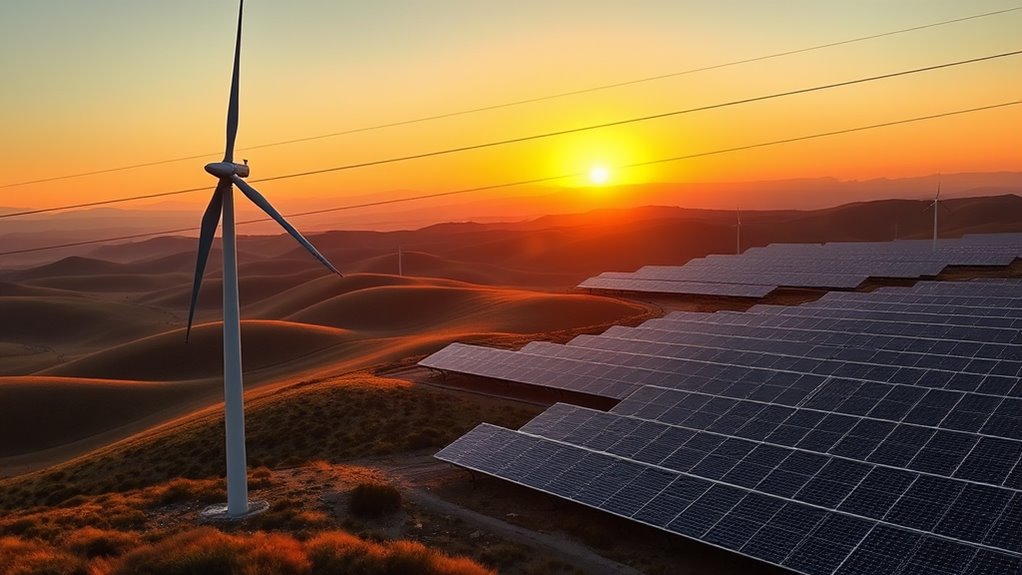
The integration of renewable energy sources into the energy grid has reached a vital inflection point, driven by swift advancements in solar and wind energy, energy storage, and smart grid technologies. Solar panel costs have decreased by over 70% in the last decade, making it competitive with fossil fuels, whereas wind power has grown considerably owing to turbine innovations and cost reductions. Energy storage innovations, such as advanced batteries, and efficient charging systems enable reliable integration of renewable energy sources. As the grid transforms, smart grids and energy optimization technologies will play an essential role in ensuring a sustainable and resilient energy ecosystem, and there is still much to explore in this quickly evolving environment.
Solar Energy Becomes Cost-Competitive
Economic viability has long been the holy grail for solar energy, and finally, it has arrived. The cost of generating electricity from solar energy has dropped dramatically in recent years, making it a competitive alternative to fossil fuels. This paradigm shift is largely attributed to significant solar panel advancements and photovoltaic innovations.
The average cost of solar panels has fallen by over 70% in the last decade, driven by improvements in manufacturing efficiency, economies of scale, and research-driven advancements in panel design. As a result, the levelized cost of electricity (LCOE) from solar energy has plummeted, making it comparable to, or even cheaper than, traditional fossil fuel-based energy plants in many regions.
This newfound cost competitiveness has led to a surge in solar energy adoption worldwide. Governments, corporations, and individuals are increasingly turning to solar energy as a viable option for meeting their energy needs. The implications are far-reaching, with solar energy poised to play a significant role in the global shift to a low-carbon economy. As the industry continues to evolve, it is likely that solar energy will become an even more important component of the energy grid, further reducing our reliance on fossil fuels and mitigating climate change.
Wind Power Takes Center Stage
As solar energy assumes its rightful place alongside fossil fuels, another renewable energy source is poised to make a notable impact: wind energy. Wind energy has experienced tremendous growth over the past decade, driven by advancements in turbine innovation and decreasing costs. Today, wind energy is a viable alternative to traditional fossil fuels, capable of energizing millions of homes and businesses.
One of the most exciting developments in wind energy is the rise of offshore wind. By utilizing the strong winds found in coastal areas, offshore wind farms can generate notably more electricity than their onshore counterparts. This has led to the development of massive offshore wind projects, capable of powering entire cities.
| Category | Onshore Wind | Offshore Wind |
|---|---|---|
| Capacity | 2-5 MW per turbine | 5-10 MW per turbine |
| Cost | $1,000 – $2,000 per kW | $1,500 – $3,000 per kW |
| Efficiency | 45-50% capacity factor | 55-60% capacity factor |
The benefits of wind energy are clear. With decreasing costs and increasing efficiency, wind energy is becoming an increasingly important component of the global energy mix. As technology continues to advance, we can expect to see even more innovative applications of wind energy, from floating wind turbines to hybrid wind-solar farms. One thing is certain: wind energy has taken center stage, and it's here to stay.
Energy Storage Breakthroughs Abound
Energy storage breakthroughs are transforming the renewable energy environment, as innovators drive progress in advancing battery technologies, grid scale solutions, and efficient charging systems. These developments are essential for widespread adoption, as they enable the efficient and reliable integration of intermittent renewable sources into the energy grid. By overcoming the intermittency challenge, energy storage breakthroughs are poised to release the full potential of renewable energy.
Advancing Battery Technologies
Through continued innovation, the geography of battery technologies has undergone significant alterations in recent years, yielding substantial advancements in energy storage capabilities. This progress has been fueled by the urgent need to decarbonize the energy sector and shift towards a low-carbon economy.
- Envision batteries that can store up to 50% more energy per unit of weight, enabling electric vehicles to travel longer distances without recharging.
- Visualize a future where battery recycling becomes the norm, reducing waste and the environmental impact of mining raw materials.
- Picture a grid that can efficiently absorb and distribute renewable energy, ensuring a stable and reliable energy supply to households and industries.
These advancements have been made possible by significant improvements in energy density, allowing for more efficient energy storage and release. Additionally, the development of closed-loop battery recycling systems is poised to reduce the environmental footprint of battery production. As the energy environment continues to evolve, advancing battery technologies will play a pivotal role in enabling the widespread adoption of renewable energy sources.
Grid Scale Solutions
Grid scale solutions are emerging as a significant component in the integration of renewable energy sources into the energy grid. As the world shifts towards a decentralized and decarbonized energy system, the need for efficient and reliable grid scale solutions becomes increasingly important. One key area of innovation is in microgrid innovations, which enable local energy generation and distribution to occur independently of the main grid. This not only improves resilience but also boosts the overall efficiency of the energy system.
Another important aspect of grid scale solutions is demand response, which allows utilities and grid operators to manage energy consumption in real-time. This is achieved through advanced technologies that can detect changes in energy demand and adjust generation accordingly. By optimizing energy supply and demand, grid scale solutions can help mitigate the intermittency of renewable energy sources, ensuring a stable and reliable energy supply. As the energy environment continues to evolve, the development of grid scale solutions will play a significant role in enabling the widespread adoption of renewable energy technologies.
Efficient Charging Systems
As the world shifts to a decentralized and decarbonized energy system, the need for efficient charging systems has become paramount. With the rise of electric vehicles and renewable energy, the energy grid must adapt to meet the increasing demand for energy storage and charging. Efficient charging systems are key to releasing the full potential of renewable energy integration.
- Envision a future where electric vehicles can wirelessly charge on the go, reducing the need for charging infrastructure and enabling seamless vehicle to grid energy flow.
- Picture smart charging systems that optimize energy distribution based on dynamic pricing, adjusting charging speeds to match grid demand and supply in real-time.
- Visualize fast charging networks that can swiftly replenish energy storage, allowing for widespread adoption of renewable energy sources and reducing reliance on fossil fuels.
Efficient charging systems are essential for facilitating the shift to a decentralized energy system. By leveraging advanced technologies like smart charging, demand response, and grid interconnection, we can create a more resilient and sustainable energy grid. As the world continues to shift in the direction of renewable energy, the development of efficient charging systems will play a significant role in revealing a cleaner, more efficient energy future.
Smart Grids Optimize Energy Distribution
Smart grids leverage advanced technologies to optimize energy distribution, enabling real-time energy monitoring that detects fluctuations in demand and supply. This capability allows for precise energy efficiency optimization, reducing waste and ensuring a more reliable flow of energy to consumers. By streamlining energy distribution, smart grids can considerably reduce the strain on the energy grid, paving the way for a more sustainable energy future.
Real-time Energy Monitoring
The widespread adoption of renewable energy sources has introduced variability in energy supply, making it crucial to monitor energy distribution in real-time. This is where real-time energy monitoring comes into play, providing grid operators with a thorough view of energy usage patterns and enabling them to respond to changes in supply and demand.
- Visualize a smart grid that can detect fluctuations in energy supply from solar panels or wind turbines and adjust energy distribution accordingly, ensuring a stable and reliable energy source.
- Picture a mobile application that provides consumers with real-time feedback on their energy usage, empowering them to make informed decisions about their energy consumption.
- Envision a system that leverages data analytics, predictive modeling, and IoT integration to optimize energy forecasting, demand response, and grid transparency, resulting in a more efficient and sustainable energy ecosystem.
Energy Efficiency Optimization
Nearly 70% of the world's energy is wasted as a result of inefficient distribution and consumption patterns. This staggering statistic highlights the need for energy efficiency optimization in the energy grid. Smart grids, equipped with advanced technologies, can greatly reduce energy waste by optimizing energy distribution and consumption. One key strategy is demand response, which allows utilities to adjust energy supply in real-time to match changing demand. Smart appliances and energy management systems also play a vital role, enabling consumers to monitor and control their energy usage.
Energy audits and building retrofits are fundamental for identifying areas of inefficiency and implementing targeted upgrades. Lighting upgrades, HVAC optimization, and other retrofits can greatly reduce energy consumption. Furthermore, renewable integration enables the grid to utilize clean energy sources, further reducing waste and emissions. By leveraging these technologies and strategies, smart grids can optimize energy distribution, reduce waste, and promote a more sustainable energy future.
Grid Resiliency in the Face
As the share of renewable energy sources in the energy grid increases, so does the significance of maintaining grid resiliency in the face of fluctuating energy output. Renewable energy sources like solar and wind energy are intermittent, meaning their output varies depending on weather conditions. This variability can lead to grid instability if not managed properly.
Guaranteeing grid reliability is vital to preventing energy outages and guaranteeing a stable energy supply. To achieve this, grid operators are implementing various strategies to improve grid resiliency. These include:
- Microgrids: small-scale, local energy systems that can operate independently of the main grid during outages or emergencies
- Energy storage: systems that store excess energy generated by renewables for use during periods of low output
- Smart grid technologies: advanced monitoring and control systems that enable real-time management of energy distribution and consumption
In addition to these technical solutions, climate adaptation is likewise a critical aspect of grid resiliency. As extreme weather events become more frequent and intense, grid infrastructure must be designed to withstand these conditions. This requires a proactive approach to planning, designing, and operating the grid, taking into account potential climate-related risks and vulnerabilities. By prioritizing grid resiliency, we can guarantee a reliable and efficient energy supply, even as the share of renewable energy sources continues to grow.
Electric Vehicles Drive Change Forward
Beyond the energy grid, another essential component of the renewable energy ecosystem is transforming swiftly: electric vehicles. As the world shifts towards a low-carbon future, electric vehicles are playing an increasingly important role in reducing greenhouse gas emissions and mitigating climate change. Governments and companies are investing heavily in electric vehicle incentives, such as tax credits, rebates, and exemptions, to encourage widespread adoption. These incentives have led to a significant surge in electric vehicle sales, with many countries witnessing exponential growth in recent years.
The growth of electric vehicles has, in turn, driven the need for charging infrastructure development. Governments and companies are investing in the installation of public charging stations, fast-charging corridors, and destination charging points. This infrastructure development is critical for alleviating range anxiety, a major concern for potential electric vehicle buyers. Furthermore, the proliferation of charging infrastructure is also driving innovation, with companies developing advanced charging technologies that can charge vehicles in under 15 minutes.
As the electric vehicle market continues to expand, it is poised to have a profound impact on the energy grid. Electric vehicles will not only reduce emissions but provide a new source of demand for renewable energy. With the right policies and infrastructure in place, electric vehicles can become an essential component of the renewable energy ecosystem, driving us closer to a low-carbon future.
Renewable Energy Policy Advancements
Renewable energy policy advancements have been instrumental in driving the shift to a low-carbon economy. In recent years, green energy incentives have increased, and carbon pricing mechanisms have taken hold, providing a financial impetus for the adoption of renewable energy sources. Meanwhile, grid integration mandates have guaranteed that the energy grid is capable of accommodating the variable output of renewable energy sources, paving the way for a more sustainable energy future.
Green Energy Incentives Rise
Government-backed incentives have long been a essential catalyst for the growth of renewable energy, and recent years have seen a substantial surge in policy advancements designed to accelerate the sector's development. These incentives have played a pivotal role in driving investment in renewable energy projects, making them more attractive to investors and developers.
- The introduction of green financing options has enabled companies to access affordable capital for sustainable projects, reducing the financial burden of shifting to renewable energy.
- Governments have implemented sustainable investment strategies, such as tax credits and grants, to encourage the development of renewable energy infrastructure.
- Net metering policies have been implemented, allowing households and businesses to generate their own renewable energy and sell any excess back to the grid, offsetting their energy costs.
These incentives have contributed greatly to the growth of the renewable energy sector, driving innovation and reducing greenhouse gas emissions. As the sector continues to evolve, it is likely that we will see even more innovative policy advancements designed to support the shift to a low-carbon economy.
Carbon Pricing Takes Hold
A significant pillar of renewable energy policy advancements is the implementation of carbon pricing, a mechanism designed to assign a monetary value to the cost of carbon emissions. This approach aims to create a financial incentive for companies and individuals to reduce their carbon footprint, thereby driving the shift to cleaner energy sources. The establishment of carbon markets has been instrumental in this process, allowing countries and industries to buy and sell carbon credits. This emissions trading system enables entities to offset their emissions by investing in projects that reduce greenhouse gas emissions elsewhere. The resulting carbon market dynamics have led to increased investment in renewable energy technologies, as companies seek to minimize their emissions and maximize their returns. As carbon pricing takes hold, it is expected to play a key role in the global effort to combat climate change, driving a low-carbon economy and paving the way for a sustainable future.
Grid Integration Mandates
As the world shifts to a low-carbon economy, it has become increasingly clear that the integration of renewable energy sources into the energy grid is a critical component of this effort. To address the grid integration challenges that come with this change, governments and regulatory bodies are implementing grid integration mandates. These mandates aim to guarantee a smooth and efficient integration of renewable energy sources into the existing grid infrastructure.
- Utilities are required to accommodate a certain percentage of renewable energy in their energy mix, driving investment in grid modernization and infrastructure upgrades.
- Regulatory frameworks are being established to promote grid flexibility and responsiveness, enabling the grid to adapt to the variable output of renewable energy sources.
- Grid operators are being incentivized to develop innovative solutions to manage the intermittency of renewable energy, such as energy storage and demand response systems.
Decentralized Power Generation Rises
Flexibility is becoming the hallmark of modern energy generation, as decentralized systems gradually displace traditional centralized models. This shift is driven by the growing demand for renewable energy and the need for more resilient and efficient energy distribution. Decentralized energy generation enables communities to take control of their energy needs, reducing reliance on grid infrastructure and promoting energy independence.
| Decentralized Energy Generation | Benefits | Examples |
|---|---|---|
| Community Solar | Shared renewable energy access | Community-owned solar farms |
| Microgrid Development | Localized energy management | University campuses with self-sustaining energy systems |
| Peer-to-Peer Energy | Direct energy trading between consumers | Neighborhoods sharing excess energy generation |
| Local Energy Markets | Decentralized energy trading platforms | Online marketplaces for renewable energy credits |
| Hybrid Systems | Combining different energy sources for best efficiency | Buildings with solar, wind, and energy storage systems |
Decentralized energy generation likewise enables the development of self-sustaining communities, where energy cooperatives and local energy markets facilitate the sharing of renewable energy resources. This shift in the direction of decentralized energy generation is driven by the need for grid independence, allowing communities to adapt to changing energy demands and reduce their reliance on traditional grid infrastructure. As decentralized energy generation continues to rise, it is likely to play a significant role in shaping the future of the energy grid.
Energy Efficiency Technologies Emerge
Optimization is key in the pursuit of a sustainable energy future, and energy efficiency technologies are emerging as an essential component in this endeavor. As the energy grid transforms to accommodate renewable energy sources, energy efficiency technologies are playing an important role in reducing energy consumption and mitigating the strain on the grid.
- Energy auditing and sustainable retrofitting of existing buildings are uncovering opportunities for significant energy savings through the installation of smart thermostats, energy efficient lighting, and thermal insulation.
- Building automation systems are optimizing energy use in real-time, leveraging data analytics and machine learning to predict and respond to energy demand.
- Advanced heat recovery systems are capturing and reusing waste heat, reducing the energy required to operate industrial processes and commercial buildings.
These energy efficiency technologies are likewise enabling demand response programs, which incentivize consumers to adjust their energy usage in response to changes in the grid's supply and demand. By shifting energy-intensive activities to off-peak hours or reducing consumption during periods of high demand, consumers can help stabilize the grid and reduce the likelihood of brownouts and blackouts. As the energy grid continues to evolve, energy efficiency technologies will remain a fundamental component of a sustainable energy future, helping to secure a reliable and efficient supply of energy for generations to come.
Cybersecurity Measures for Renewables
The integration of renewable energy sources into the energy grid has introduced a new vulnerability: cyber threats. As the grid becomes increasingly reliant on renewable energy sources, the risk of cyber attacks on these systems grows. Renewable energy systems, such as wind and solar farms, are now connected to the internet, making them vulnerable to cyber attacks.
To mitigate these risks, cybersecurity measures must be implemented to protect the grid from cyber threats. This includes:
| Category | Cybersecurity Measures | Description |
|---|---|---|
| Prevention | Access Control, Secure Communications | Limiting access to renewable energy systems and encrypting communications to prevent unauthorized access. |
| Detection | System Monitoring, Threat Evaluation | Continuously monitoring systems for signs of cyber attacks and evaluating potential threats. |
| Response | Incident Response, Vulnerability Management | Responding quickly and effectively to cyber attacks and identifying vulnerabilities to prevent future attacks. |
Implementing these cybersecurity measures is vital to protecting the grid from cyber threats. This includes adhering to cybersecurity frameworks and compliance standards, such as NERC CIP, to guarantee the security of renewable energy systems. Furthermore, data protection and risk mitigation strategies must be implemented to minimize the impact of a cyber attack. By prioritizing cybersecurity, the grid can guarantee a reliable and efficient supply of renewable energy.
The Future of Energy Distribution
As the renewable energy sector continues to evolve, the traditional model of energy distribution is undergoing a significant transformation. The rise of distributed resources and renewable integration is decentralizing energy production, allowing for more localized and resilient energy systems. This shift is driven by technological advancements in areas such as demand response, microgrid development, and energy sharing.
- Communities enabled to manage their own energy needs, reducing reliance on centralized grids and enhancing grid flexibility.
- Virtual energy plants aggregating rooftop solar and energy storage to provide reliable, clean energy to the grid.
- Neighborhoods connected through peer-to-peer energy sharing, optimizing energy distribution and reducing waste.
The future of energy distribution will be characterized by increased grid flexibility, electrification trends, and community solar initiatives. As the grid becomes more decentralized, utilities will need to adapt to new business models that prioritize customer-centricity and data-driven decision making. The integration of renewable energy sources will require advanced weather forecasting, predictive analytics, and real-time monitoring to guarantee a stable and efficient grid. As the energy environment continues to evolve, it's crucial to prioritize innovation, collaboration, and policy reforms to reveal the full potential of renewable energy and create a more sustainable, resilient, and equitable energy system.
Frequently Asked Questions
Can Renewable Energy Power My Entire Home or Business?
Can renewable energy generate my entire home or business? Absolutely. With advancements in renewable energy technologies, it's now possible to achieve energy independence. Home automation systems can seamlessly integrate solar, wind, or geothermal energy sources to meet your entire energy demand. This means you can generate your home or business entirely with clean, sustainable energy, reducing your reliance on the grid and minimizing your carbon footprint.
How Do Renewable Energy Sources Affect My Electricity Bill?
Although traditional fossil fuels can lead to unpredictable and rising electricity bills, renewable energy sources offer a revitalizing alternative. By capturing energy from the sun, wind, or water, you can enjoy cost savings and energy efficiency. In fact, renewable energy can reduce your electricity bill by up to 50%, depending on your energy usage and location. This translates to significant long-term savings, providing a welcome respite from the volatility of traditional energy markets.
Are Renewable Energy Technologies Reliable in Extreme Weather?
Renewable energy technologies have made significant strides regarding weather resilience. Advanced weather forecasting and monitoring enable operators to predict and prepare for extreme weather events. Energy storage systems, such as batteries, play a vital role in ensuring a stable energy supply during periods of high demand or grid instability. Furthermore, distributed energy resources like rooftop solar and wind energy can provide backup energy during outages. These technologies improve the overall reliability of renewable energy, even in the face of extreme weather conditions.
Can I Sell Excess Energy Back to the Grid?
Envision generating so much clean energy that you're literally giving it away! Fortunately, with net metering policies and energy buyback programs, you can sell excess energy back to the grid and offset your own consumption. This win-win scenario not just reduces your utility bills but likewise helps stabilize the grid. By tapping into these incentives, you can turn your renewable energy system into a profitable venture, making your sustainable lifestyle even more rewarding.
Do Renewable Energy Systems Require Frequent Maintenance?
Renewable energy systems, such as solar and wind energy, require routine maintenance to guarantee peak performance and longevity. The maintenance frequency depends on the system type and environmental conditions. Typically, solar panels need cleaning every 6-12 months, whereas wind turbines require annual inspections and occasional blade replacements. Proper maintenance can greatly extend system longevity, reducing downtime and increasing energy production. Regular checks additionally help identify potential issues, preventing costly repairs and assuring a stable energy supply.