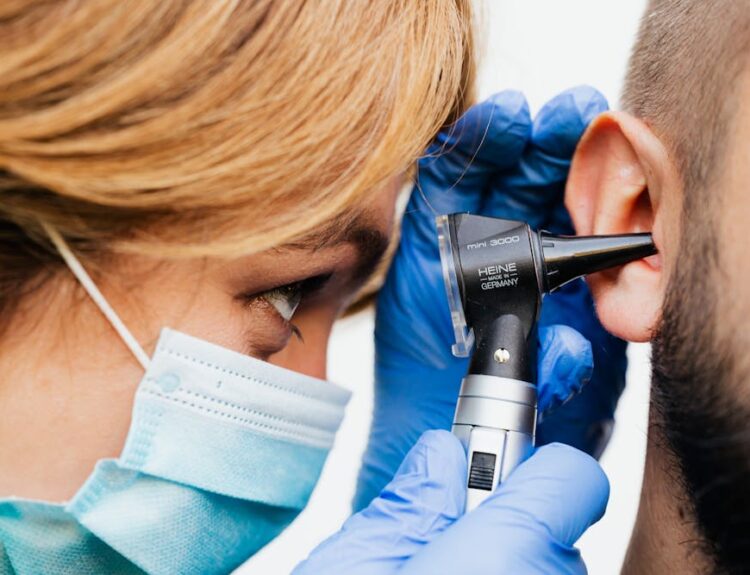
The convergence of advanced analytics, artificial intelligence, and digital innovations is revolutionizing the medical field, driving unprecedented breakthroughs in patient care, diagnosis, and treatment. AI-assisted diagnosis improves clinical decision-making, reduces misdiagnosis likelihood, and optimizes healthcare efficiency. Advanced data analytics extract insights from patient data, enabling personalized treatment plans and real-time health insights. Telemedicine expands access to care, whereas gene editing breakthroughs transform gene therapy. As technology continues to advance, the possibilities for medical innovation seem endless, and it's clear that the future of healthcare is being shaped by these state-of-the-art developments.
AI-Assisted Diagnosis Revolution
The medical environment is witnessing a seismic shift with the advent of artificial intelligence (AI) in diagnosis, transforming the way healthcare professionals approach patient care. AI-assisted diagnosis is changing the healthcare industry by utilizing machine learning and advanced diagnostic algorithms to improve clinical decision-making. By analyzing vast amounts of medical data, AI systems can identify patterns and connections that may elude human clinicians, leading to more accurate diagnoses and enhanced patient outcomes.
The integration of AI technology into healthcare workflows is optimizing efficiency, reducing errors, and streamlining clinical decision-making. AI-driven symptom analysis and imaging advancements enable healthcare professionals to make more informed decisions, reducing the likelihood of misdiagnosis. In addition, AI-driven workflow optimization is freeing up clinicians to focus on high-value tasks, improving healthcare efficiency and reducing costs.
As AI continues to evolve, its potential to transform the healthcare environment is vast. By utilizing the capabilities of AI, healthcare professionals can provide more personalized, effective, and efficient care, leading to better patient outcomes and improved healthcare overall. As technology integration continues to advance, the future of AI-assisted diagnosis holds much promise, with the potential to change the way healthcare is delivered and experienced.
Gene Editing Breakthroughs
Advancements in gene editing technologies are revolutionizing the field of medicine, offering promising solutions to previously intractable diseases. The CRISPR technology, in particular, has emerged as a game-changer, enabling precise and efficient editing of genes. This breakthrough has opened up new avenues for gene therapy, allowing scientists to correct genetic defects that cause hereditary diseases.
Genomic sequencing has also played a significant role in identifying specific genetic mutations responsible for various diseases. This information can be used to develop targeted therapies, improving treatment outcomes. Furthermore, precision agriculture can benefit from gene editing, enabling the creation of crops that are more resilient and nutritious.
However, these advancements also raise ethical considerations. Genetic counseling is vital to guarantee that individuals grasp the implications of gene editing and make informed decisions. Synthetic biology, which involves the design and construction of new biological systems, additionally poses significant ethical questions.
In addition, the discovery of somatic mutations has highlighted the importance of biobanking innovations, which enable the storage and analysis of biological samples. This can facilitate the development of personalized therapies and improve our comprehension of disease mechanisms. As gene editing technologies continue to evolve, it is imperative to address the ethical and social implications of these breakthroughs to guarantee their responsible use in medicine.
Personalized Medicine Advances
Seventy percent of patients do not respond to the first treatment prescribed, primarily due to genetic variations. This highlights the need for personalized medicine, where treatment is customized to an individual's unique genetic profile. Advances in technology have accelerated progress in this field, enabling the development of targeted therapies and improving treatment outcomes.
A key area of focus is biomarker discovery, which involves identifying genetic markers associated with specific diseases or treatment responses. This information can be used to develop diagnostic tests, allowing clinicians to select the most effective treatment for each patient. Pharmacogenomics research, which explores the relationship between genetic variations and drug response, is also essential in this scenario.
| Personalized Medicine Approach | Benefits |
|---|---|
| Genetic testing for disease risk | Early intervention and prevention |
| Biomarker-based diagnosis | Accurate diagnosis and targeted treatment |
| Pharmacogenomics-informed prescribing | Reduced risk of adverse reactions |
| Customized therapy based on genetic profile | Improved treatment outcomes and reduced costs |
The integration of technology and medicine has enabled significant progress in personalized medicine. As research continues to uncover the complex relationships between genetics, disease, and treatment response, we can expect to see further breakthroughs in this field, eventually leading to better patient outcomes and more efficient healthcare systems.
Telemedicine Expands Access
Telemedicine has transformed healthcare by increasing access to medical services, particularly in rural areas where healthcare providers are scarce. Virtual care platforms have enabled patients to remotely connect with healthcare professionals, reducing barriers to care and improving health outcomes. By leveraging telemedicine, healthcare systems can extend their reach, providing crucial medical services to underserved populations.
Virtual Care Platforms
As I reflect on my own experiences with healthcare, I've come to realize the importance of timely access to medical care, especially for those living in remote or underserved areas. Virtual care platforms have emerged as a game-changer, broadening access to quality care through digital consultations, remote monitoring, and health apps. These interactive platforms enable patients to engage with healthcare providers from the comfort of their own homes, reducing barriers to care. Accessibility features, such as secure messaging and online support, guarantee that patients with disabilities can additionally benefit from virtual care. Telehealth regulations have paved the way for virtual therapies, allowing patients to receive specialized care without having to travel to a physical location. Furthermore, virtual care platforms facilitate patient engagement, empowering individuals to take a more active role in their healthcare experience. By leveraging technology, virtual care platforms have transformed the way healthcare is delivered, making it more accessible, convenient, and patient-centric.
Rural Area Reach
The rural terrain, where healthcare deserts often prevail, has long been plagued by limited access to quality medical care. Telemedicine has emerged as a beacon of hope, broadening access to healthcare services through digital platforms. Mobile health initiatives have enabled remote consultations, reducing the need for patients to travel long distances. Community engagement and health education programs have improved digital literacy, empowering patients to take charge of their health. Transportation solutions, such as telemedicine-enabled ambulances, have further bridged the gap. Local partnerships have been instrumental in driving technology adoption, with funding opportunities supporting infrastructure development. In spite of infrastructure challenges, outreach programs have successfully reached underserved populations. By leveraging technology, rural areas can now access specialized care, reducing health disparities and improving overall well-being. As telemedicine continues to evolve, it is essential to address remaining barriers, ensuring that quality care reaches the most vulnerable populations. Innovative solutions, such as artificial intelligence-driven diagnostics and remote patient monitoring, are further enhancing telemedicine’s impact. These advancements align with broader tech trends reshaping industries, demonstrating how digital transformation can revolutionize healthcare delivery. By integrating emerging technologies, rural healthcare systems can continue to evolve, ensuring even the most isolated communities receive timely and effective medical care.
Data Analytics in Healthcare
Data analytics is revolutionizing healthcare by revealing insights from vast amounts of patient data. By applying advanced algorithms and machine learning techniques, healthcare providers can develop predictive disease models, gain real-time insights into patient health, and create personalized treatment plans customized to individual needs. This shift in the direction of data-driven decision making is poised to transform the industry, enabling more effective disease prevention, diagnosis, and treatment.
Predictive Disease Modeling
By leveraging the influence of advanced statistical models and machine learning algorithms, predictive disease modeling has emerged as a transformative force in healthcare, enabling clinicians to forecast disease progression and identify high-risk patients with unprecedented accuracy. This innovative approach empowers healthcare professionals to develop targeted interventions, improving health outcomes and reducing costs. Through data visualization and algorithm development, predictive models can stratify patients based on their risk profiles, allowing for more effective resource allocation. By analyzing epidemiological trends and population health data, clinicians can make informed clinical predictions, enhancing the quality of care. Additionally, healthcare simulations can be used to test various scenarios, optimizing treatment strategies and reducing uncertainties. The integration of machine learning and risk assessment enables a more precise comprehension of disease progression, eventually leading to better patient outcomes. By utilizing the strength of predictive disease modeling, healthcare providers can drive meaningful improvements in patient care, revolutionizing the way we approach disease management.
Real-time Patient Insights
As healthcare providers increasingly recognize the importance of timely and informed decision-making, real-time patient insights have emerged as a crucial component of modern healthcare. The proliferation of wearable technology, remote monitoring, and health apps has enabled the collection of vast amounts of patient data, providing valuable insights into individual health patterns and behaviors. This wealth of information facilitates patient engagement and empowerment, allowing individuals to take a more active role in their care. Nevertheless, the increased flow of sensitive data additionally raises concerns about data privacy, emphasizing the need for robust safeguards to protect patient information. Advances in sensor innovation have further improved the accuracy and reliability of real-time data, supporting mobile health initiatives and chronic disease management. By leveraging these insights, healthcare providers can gain a deeper comprehension of behavioral patterns, enabling targeted interventions and digital therapeutics. As the healthcare environment continues to evolve, real-time patient insights will play an increasingly critical role in shaping the future of healthcare.
Personalized Treatment Plans
Through the astute application of data analytics, healthcare providers can now craft personalized treatment plans customized to individual patient needs, thereby revolutionizing the delivery of care. This approach enables clinicians to move beyond one-size-fits-all treatments and instead, tailor therapies to a patient's unique genetic profile, medical history, and lifestyle factors.
Some of the key benefits of personalized treatment plans include:
- Biomarker discovery: Identifying specific genetic markers that indicate a patient's likelihood of responding to a particular treatment, allowing for more targeted therapies.
- Treatment algorithms: Developing data-driven models that guide clinicians in selecting the most effective treatment options for each patient.
- Enhanced patient outcomes: Personalized treatment plans lead to better health outcomes, reduced hospital readmissions, and improved patient satisfaction.
- More efficient resource allocation: Data analytics helps optimize resource utilization, reducing waste and improving the overall efficiency of healthcare delivery.
- Continuous improvement: Real-time data analysis enables clinicians to refine treatment plans and make data-driven decisions, driving ongoing improvement in patient care.
Virtual Reality Healing Spaces
| Virtual Environment | Therapeutic Benefits | Patient Response |
|---|---|---|
| Virtual Beach | Stress reduction, emotional wellness | Relaxed, calm demeanor |
| Virtual Forest | Cognitive therapy, rehabilitation support | Increased focus, motivation |
| Virtual City | Sensory stimulation, mental health | Improved mood, social interaction |
These virtual reality healing spaces offer a unique opportunity for patients to escape the confines of their hospital room and engage in a more interactive and engaging form of therapy. By leveraging the influence of VR, healthcare providers can create personalized and targeted interventions that address the specific needs of each patient. As VR technology continues to evolve, we can expect to see even more innovative applications in the field of healthcare, driving breakthroughs in patient care and outcomes.
Frequently Asked Questions
How Will AI Systems Handle Rare or Unknown Medical Conditions?
When encountering rare or unknown medical conditions, AI systems will rely on advanced machine learning algorithms to identify patterns and connections. By leveraging robust data analysis techniques, these systems can process vast amounts of patient data, medical literature, and research findings to inform diagnosis and treatment decisions. Through iterative learning and continuous refinement, AI will improve its ability to recognize and respond to unusual cases, eventually enhancing patient outcomes and broadening the boundaries of medical knowledge.
Can Gene Editing Be Used to Treat Inherited Genetic Disorders?
Gene editing holds immense potential for treating inherited genetic disorders. Through gene therapy, scientists can precisely alter or correct mutated genes responsible for these conditions. Although this technology offers hope for millions, it likewise raises significant ethical implications. Concerns surrounding unintended consequences, unequal access, and potential misuse must be carefully addressed to guarantee responsible development and application of gene editing technologies.
Will Personalized Medicine Increase Healthcare Costs for Individuals?
The shift in direction of personalized medicine raises concerns about potential increases in healthcare costs for individuals. A thorough cost-benefit analysis is necessary to weigh the benefits of customized treatments against the potential financial burden. During personalized medicine may lead to more targeted and effective treatments, it is crucial to guarantee patient access is not compromised by prohibitive costs.
Are Telemedicine Platforms Secure and HIPAA Compliant?
"When it rains, it pours" – and within the realm of telemedicine, ensuring security and compliance is a top priority. Telemedicine platforms must navigate a complex web of regulations to safeguard patient data. Fortunately, most reputable platforms prioritize HIPAA compliance, implementing robust measures to protect sensitive information. Stringent telemedicine regulations likewise dictate rigorous security protocols, encrypting data and controlling access to prevent breaches. Patients can rest assured that their digital health records are secure, allowing them to reap the benefits of remote care with confidence.
Will Virtual Reality Therapy Be Covered by Insurance Providers?
As virtual reality therapy gains traction, a pressing concern is whether insurance providers will cover this innovative treatment approach. The answer largely depends on insurance policies and their evaluation of therapy effectiveness. Although some insurers have already started covering VR therapy for specific conditions, others remain hesitant. As more research emerges demonstrating the efficacy of VR therapy, it's likely that insurance coverage will expand, making this state-of-the-art treatment more accessible to those who need it.